

Title: The Unraveling of Ukraine’s Wartime Leadership: Analyzing the Dismissal of Mykhailo Fedorov
In a surprising turn of events, Ukraine’s Defense Minister Mykhailo Fedorov has been dismissed from his role, revealing deep-seated tensions within the country’s wartime leadership. This shift has sparked significant concern among military analysts and political observers, particularly regarding its implications for Ukraine’s ongoing conflict with Russia.
The announcement of Fedorov’s removal coincided with his public criticisms aimed at Commander-in-Chief Oleksandr Syrskyi, where he accused the military command of fracturing national unity. These incendiary remarks, according to former U.S. Ambassador to Ukraine John Herbst, led to the strategic decision by President Volodymyr Zelenskyy to remove a key figure behind Ukraine’s recent battlefield successes.
In a recent discussion with DW News, Herbst articulated his belief that this dismissal could be a grave mistake, noting that Fedorov was instrumental in implementing crucial reforms that have enhanced Ukraine’s military capabilities. Among these were transformations in procurement processes and advancements in drone warfare—areas that have become vital in countering Russian aggression.
Fedorov’s tenure was marked by a whirlwind of changes that, although effective, bred dissent among certain factions within the military. Analysts, such as Marina Miron, highlight that these reforms may have disrupted long-standing military hierarchies and interests, raising questions about the internal dynamics of Ukraine’s leadership structure.
As political analysts delve deeper into the ramifications of this cabinet reshuffle, they are assessing President Zelenskyy’s position amid a potential public backlash. The stability of his administration could be tested as citizens grapple with the uncertainty surrounding military leadership just when national unity is paramount.
Experts speculate that the next few days will be crucial for Ukraine. The short-term implications of Fedorov’s exit could be significant on the front lines, particularly in the context of ongoing military operations. The timing also casts a shadow over recent international developments, such as Ursula von der Leyen’s drone deal, further complicating the geopolitical landscape.
Furthermore, the friction between competing military schools of thought within Ukraine’s command structure is spotlighted as a critical factor in understanding the broader context of this leadership change. As the dust settles on this unexpected reshuffle, the implications for Ukraine’s future in both drone and digital warfare capabilities remain uncertain.
More than a mere administrative adjust, this moment sheds light on the intricate complexities and stakes involved in Ukraine’s struggle for sovereignty and security. As the nation grapples with internal divisions and external threats, the importance of cohesive military and political leadership has never been more evident.
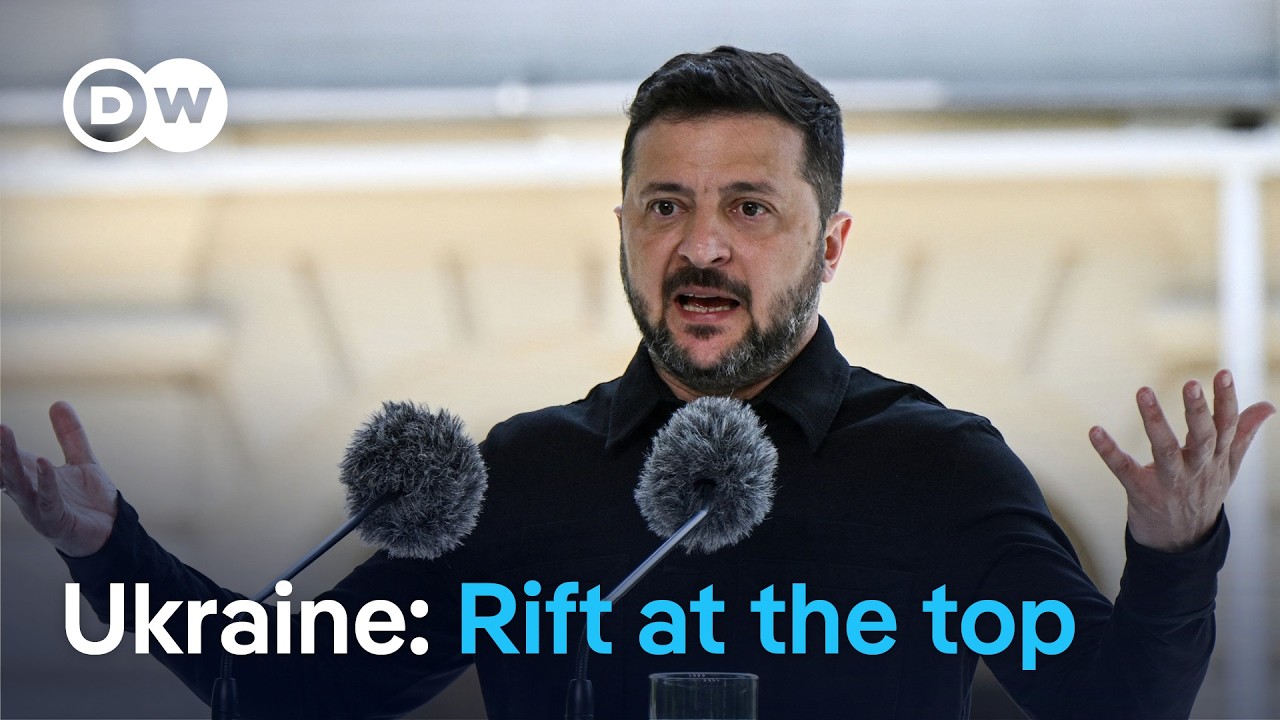
Watch the video by DW News
Video “Why remove the architect of Ukraine's battlefield success? | DW News” was uploaded on 07/17/2026 to Youtube Channel DW News