

The Wartime ‘Coffin Money’ Transforming Russia’s Poorest Regions
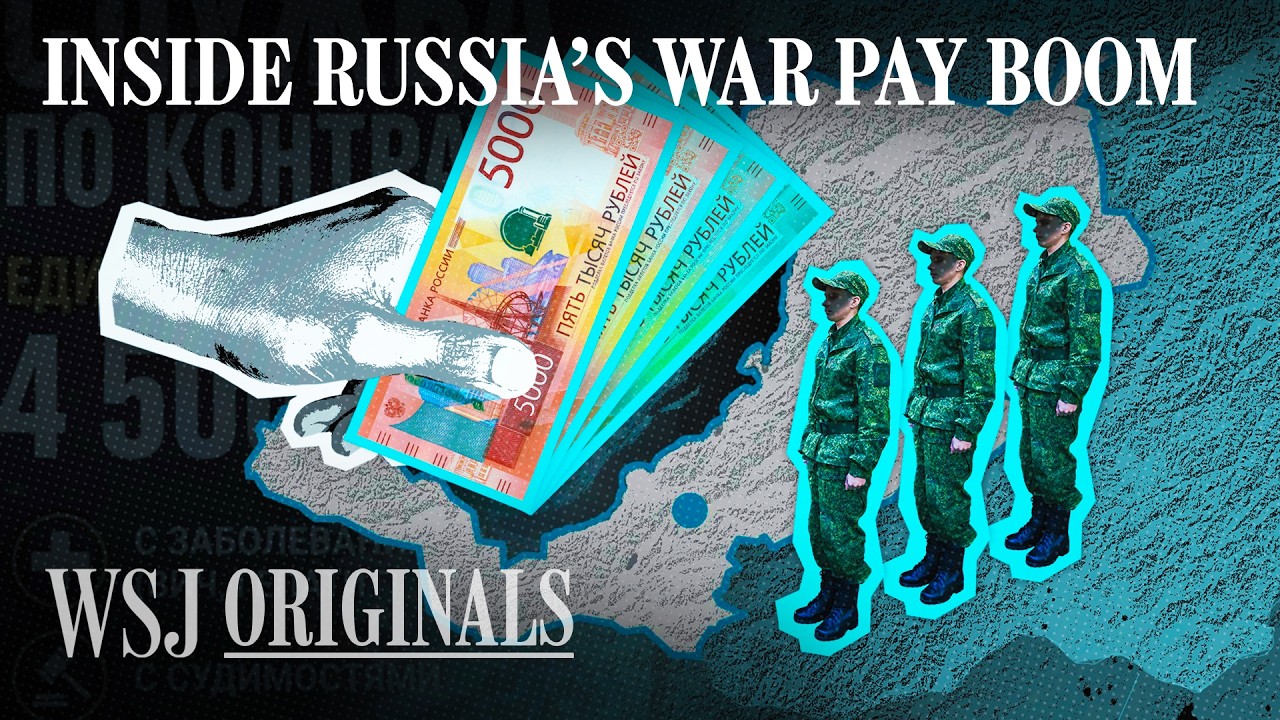
In a striking juxtaposition of prosperity and tragedy, the ongoing conflict has ushered in an unexpected economic surge in some of Russia’s most impoverished areas, specifically within the remote city of Ulan-Ude in the Buryatia region. Coined as “coffin money,” the substantial financial incentives offered to Russian soldiers signing contracts for active military duty are remapping the social landscape, bringing both new opportunities and profound societal costs.
Through months of extensive research, including interviews with current and former residents of Ulan-Ude and a detailed analysis of social media footage, the Wall Street Journal (WSJ) uncovers the dual-edged sword of this wartime financial influx. The video report delves deep into how the millions of rubles being funneled into the hands of soldiers are not merely filling their pockets but are reverberating throughout their communities.
As soldiers return from the front lines or enlist, the economic impact is palpable. New apartments and luxury cars dot the streets of Ulan-Ude, a city where such wealth was previously unimaginable. However, this sudden influx of cash comes with a grave toll: alongside the burgeoning developments and consumer goods sits a harsh reality—a steep increase in graves as a generation of young men is lost to the war. The video articulates this alarming contradiction, illustrating how the city has transformed into a boomtown while simultaneously experiencing an emptying of its youth.
The report meticulously outlines the mechanisms of recruitment and mobilization in Ulan-Ude, revealing the strategies employed by Russian authorities to bolster the ranks of soldiers. It exposes how regional differences shape the experiences of conscripts, particularly in poorer areas where economic desperation often compels young men to enlist.
Yet amid the tangible economic uplift, the societal fractures run deep. The WSJ video poignantly illustrates the dual narratives of wealth and loss—showing how families come together to celebrate newfound financial stability while grappling with profound grief over the sacrifices made. The conflicting emotions surrounding “coffin money” create a tapestry that is both complex and heartbreaking, challenging viewers to confront the costs of war that extend far beyond the battlefield.
By highlighting the transformation witnessed in Ulan-Ude, the WSJ provides a rare glimpse into the realities of how warfare can reshape a community’s fabric. The shocking statistics and personal stories featured in the report render a vivid portrait of the costs of conflict, emphasizing that the price of war is not only paid in currency but also in human lives and societal cohesion.
As Russia’s poorest regions navigate this complicated terrain, the fate of communities like Ulan-Ude serves as a poignant reminder of the heavy toll exacted by military pursuits, where the promises of wealth are often deeply intertwined with loss. Through thoughtful investigation and on-the-ground reporting, WSJ captures this unique moment in time, ensuring that the individual stories within this broader narrative do not fade into obscurity.
Watch the video by The Wall Street Journal
Video “The Wartime ‘Coffin Money’ Transforming Russia’s Poorest Regions | WSJ” was uploaded on 09/01/2026 to Youtube Channel The Wall Street Journal