

Canada is set to phase out a niche but important system that has long helped travelers move between northern Minnesota and adjacent parts of Ontario and Manitoba without visiting a staffed border station.
The Canada Border Services Agency (CBSA) says its Remote Area Border Crossing (RABC) Program will end on September 14, 2026, replacing the permit model with mandatory reporting at ports of entry or designated telephone reporting sites for travelers entering through specified remote areas.
In practical terms, the change affects people who cross for canoeing, fishing, hunting, snowmobiling, and backcountry trips in places such as the Boundary Waters/Quetico region and Lake of the Woods, as well as other remote waterways and crossings.
Local reporting has emphasized that the permits were particularly valuable for outfitters, cabin owners, and frequent recreation travelers who regularly traverse lakes and rivers that straddle the international boundary.
CBSA’s rationale, and the line that sparked reactions
CBSA is framing the shift as part of a broader operational standardization. In its news release, the agency said it is expanding telephone reporting “to further enhance border integrity” and noted that the new approach “builds on processes already in place across Canada,” aiming for consistent security expectations and compliance.
The announcement included a sentence that quickly became the focal point of online commentary because it explicitly references the United States. CBSA wrote: “The RABC Program will close on September 14, 2026.”
More controversially for some readers, CBSA added that the change “will also more closely align” with how travelers report to U.S. Customs and Border Protection (CBP) when entering the U.S. in remote areas—language that some interpreted as a pointed political message rather than a purely administrative update.
CBSA also disclosed the program’s usage profile: roughly 11,000 members per year historically, with about 90% Americans, a statistic that helps explain why the policy is drawing outsized attention in northern Minnesota communities.
Where the new requirements will apply, and what’s still unknown
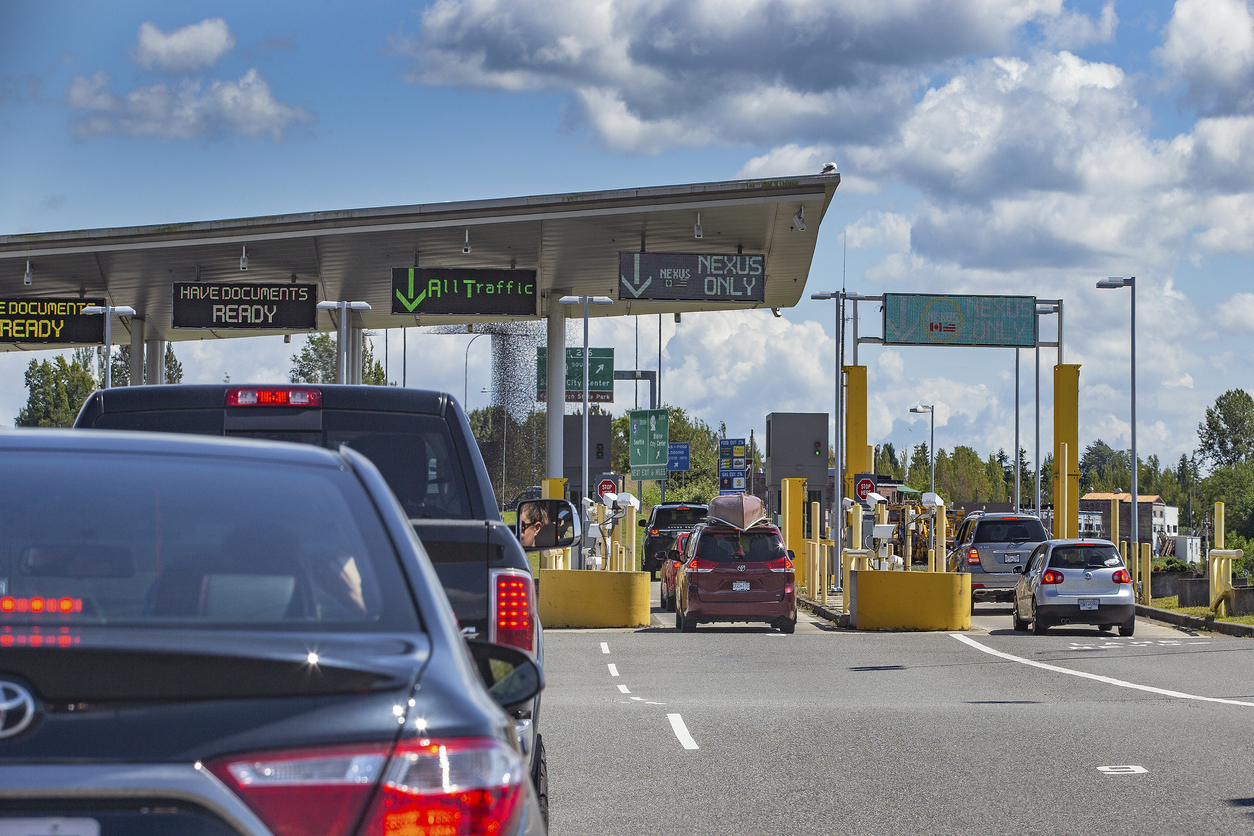
CBSA lists the remote areas moving to the telephone-reporting model as including the Northwest Angle area, Pigeon River through Lake of the Woods, the Canadian shore of Lake Superior, Sault Ste. Marie’s upper lock system, and…
Read full article: Canada to End Remote Border-Crossing Permits with the U.S. in 2026

The post “Canada to End Remote Border-Crossing Permits with the U.S. in 2026” by Viktor Vincej was published on 12/21/2025 by www.travelinglifestyle.net