
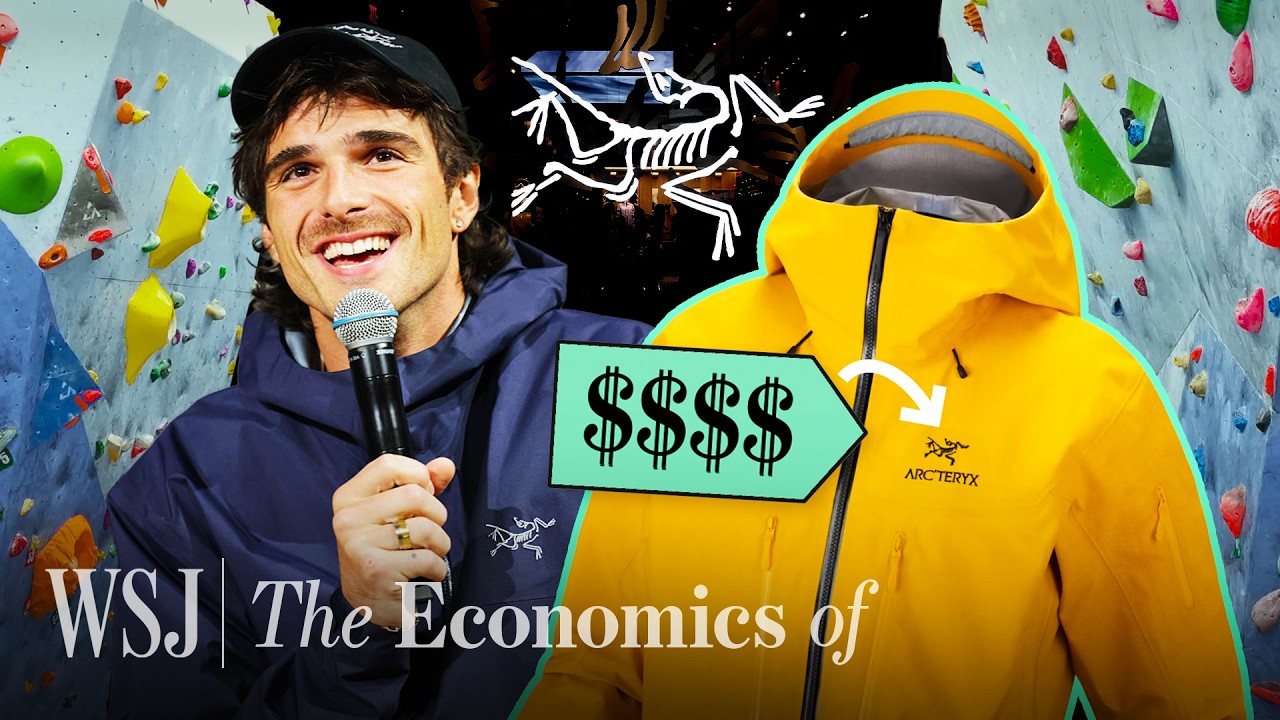

How Arc’teryx Became a $2B+ Luxury Brand Without Intending To
In the world of outdoor apparel, few brands have experienced the meteoric rise of Arc’teryx, a company that has seamlessly merged high-performance gear with luxury fashion. Its flagship product, the $900 Alpha SV jacket, is a marvel of engineering, boasting over 150 component parts sourced from more than 35 suppliers. Designed initially with climbers in mind, Arc’teryx’s journey has taken it far beyond the craggy cliffs and snowy summits to become a staple in high-end streetwear, thanks in part to the “gorpcore” fashion trend.
In a recent video titled “How Arc’teryx Became a $2B+ Luxury Brand Without Intending To,” The Wall Street Journal (WSJ) provides an in-depth look at the brand’s unexpected transition from a niche gear provider to a coveted luxury label, showing how it carved out a unique identity in an industry largely dominated by legacy brands like Patagonia and The North Face.
The journey begins by exploring the company’s humble roots, detailing how Arc’teryx originally focused on creating specialized gear for outdoor adventurers. As interest in outdoor pursuits grew and urban consumers began to seek out performance apparel for everyday wear, Arc’teryx seized the opportunity to broaden its appeal.
WSJ takes viewers inside ARC’One, the company’s manufacturing facility in Canada, where the meticulous crafting of these technical products is on full display. This behind-the-scenes access reveals the intricate processes and workforce dedication that underpin the brand’s quality and performance, emphasizing how meticulous attention to detail plays a crucial role in its appeal.
At the heart of Arc’teryx’s marketing success lies its core customer base, comprised of serious outdoor enthusiasts as well as a new demographic drawn in by the allure of luxury outdoor apparel. This duality has allowed the brand to tap into various markets, yielding impressive growth figures. The rise of gorpcore—a fashion movement that embraces utilitarian aesthetics—has further propelled Arc’teryx into the chic realms of urban fashion, shifting its visibility from niche to mainstream and showcasing the brand’s versatility.
The brand’s strategic pivot toward direct-to-consumer (DTC) sales has additionally contributed to its financial success. With more control over sales and marketing, Arc’teryx has been able to present a polished brand image that resonates with contemporary consumers who prioritize authenticity and quality.
Lastly, WSJ delves into the brand’s strategic expansion efforts in China, a market teeming with potential for luxury and performance-oriented products. As Arc’teryx aims to capitalize on this growing consumer base, understanding local trends and preferences becomes essential for maintaining its identity while driving revenue.
Through expert insight and comprehensive storytelling, WSJ’s exploration of Arc’teryx provides an illuminating look at how a brand can transcend its original purpose to redefine luxury in the context of outdoor apparel—a remarkable feat that has led to its valuation of over $2 billion. As fashion and functionality continue to merge, the trajectory of Arc’teryx presents a case study not just in marketing, but in adaptability and innovation in a rapidly changing economic landscape.
Watch the video by The Wall Street Journal
Video “How Arc’teryx Became a $2B+ Luxury Brand Without Intending To | WSJ The Economics Of” was uploaded on 10/01/2026 to Youtube Channel The Wall Street Journal