
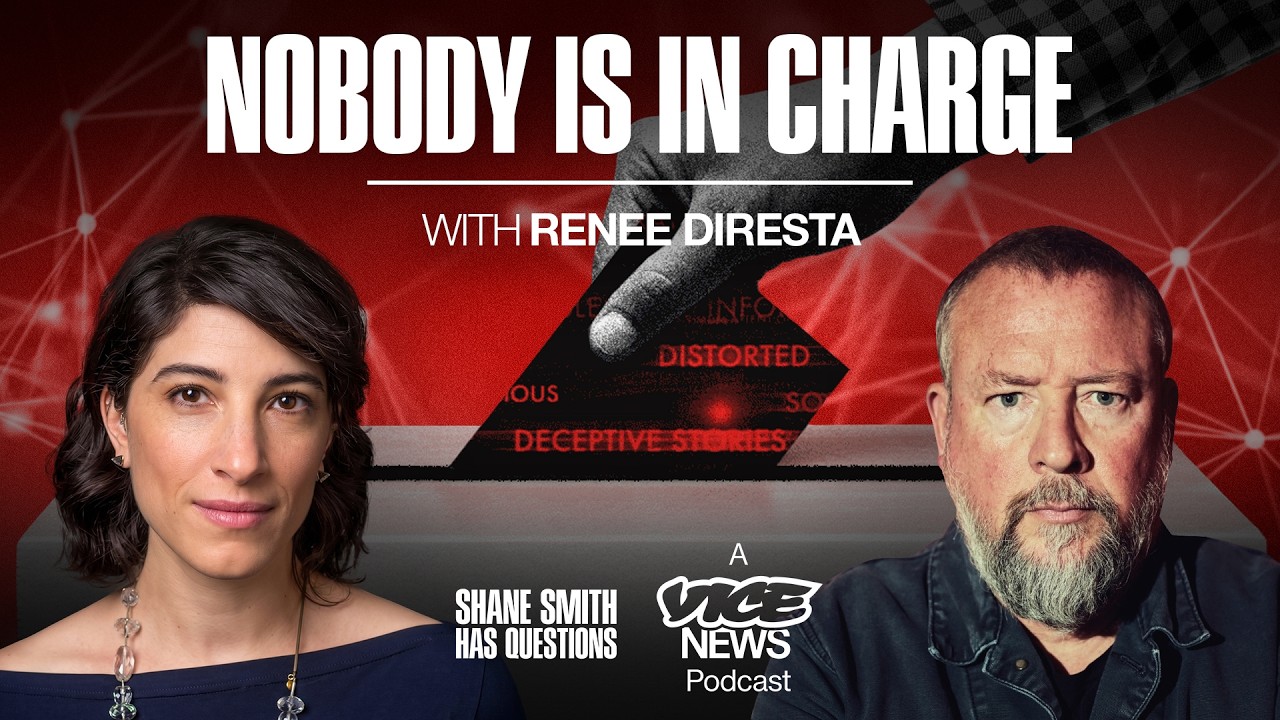

Navigating the Chaotic Landscape of Online Influence: Insights from Renée DiResta
As the midterm elections loom on the horizon, the discussion surrounding election integrity reaches a fever pitch. In a revealing conversation between Shane Smith and Renée DiResta, an esteemed researcher dedicated to understanding the dynamics of online propaganda and foreign influence, the alarming implications of artificial intelligence (AI) on electoral processes are laid bare. DiResta’s extensive decade-long investigation into how disinformation spreads online paints a picture of an environment increasingly vulnerable to manipulation, reminiscent of the pre-2016 election atmosphere, marked by significant gaps in oversight.
DiResta meticulously outlines the robust influence operations orchestrated by countries like Russia, China, and Iran, emphasizing how these nefarious activities risk reshaping American public discourse. During the dialogue, she references the historic role of entities such as the Stanford Internet Observatory and the Election Integrity Partnership in safeguarding electoral integrity, discussing how their contributions stand crucial in countering foreign manipulation. However, amidst the rapid evolution of AI technologies, she highlights a concerning trend: a retreat from the safeguards that once offered a semblance of control over the narrative.
The conversation probes into the mechanics of misinformation dissemination, questioning the origins of falsehoods and who amplifies them. DiResta aptly coins the term “ampliganda” to describe how individuals and platforms can unwittingly promote content designed to mislead. As AI continues to advance, the conversation shifts towards the alarming emergence of AI-generated scams that leverage rapid content creation for nefarious purposes. DiResta warns that these technologies make disinformation faster, cheaper, and more pervasive, complicating the landscape for both political speech and legitimate discourse.
At the heart of the discussion lies the challenge of distinguishing between free speech and the regulation needed to protect electoral processes. DiResta emphasizes that maintaining democratic integrity requires a nuanced understanding of how algorithms dictate the information that millions encounter daily. As she articulates, “Free speech does not mean free reach.” This assertion compels a critical examination of who controls online narratives and serves as a cautionary tale regarding unchecked algorithmic influence.
Additionally, the dialogue delves into the psychological battleground that misinformation creates, where emotional narratives often drown out factual discourse. DiResta reflects on the failures of fact-checking systems in the context of AI-generated content, presenting the daunting task of staying ahead of sophisticated disinformation tactics. As these technologies continue to evolve, the question arises: how do we enforce regulations that can keep up with the rapid pace of AI development without stifling legitimate conversation?
In closing, DiResta’s discussions illuminate the urgent need for a cohesive framework for managing AI’s influence on information dissemination, especially as elections draw near. Her insights serve as a clarion call for vigilance as society grapples with the potential for an increasingly chaotic and disordered public sphere—a reality that casts a shadow over the very notion of informed consent in democratic processes.
Watch the video by VICE News
Video “I Don’t See Anybody in Charge Here | w/Renée DiResta on AI, Election Interference & Propaganda” was uploaded on 10/01/2026 to Youtube Channel VICE News