

Why Workers In India Risk Their Lives To Recycle Your Old Clothes
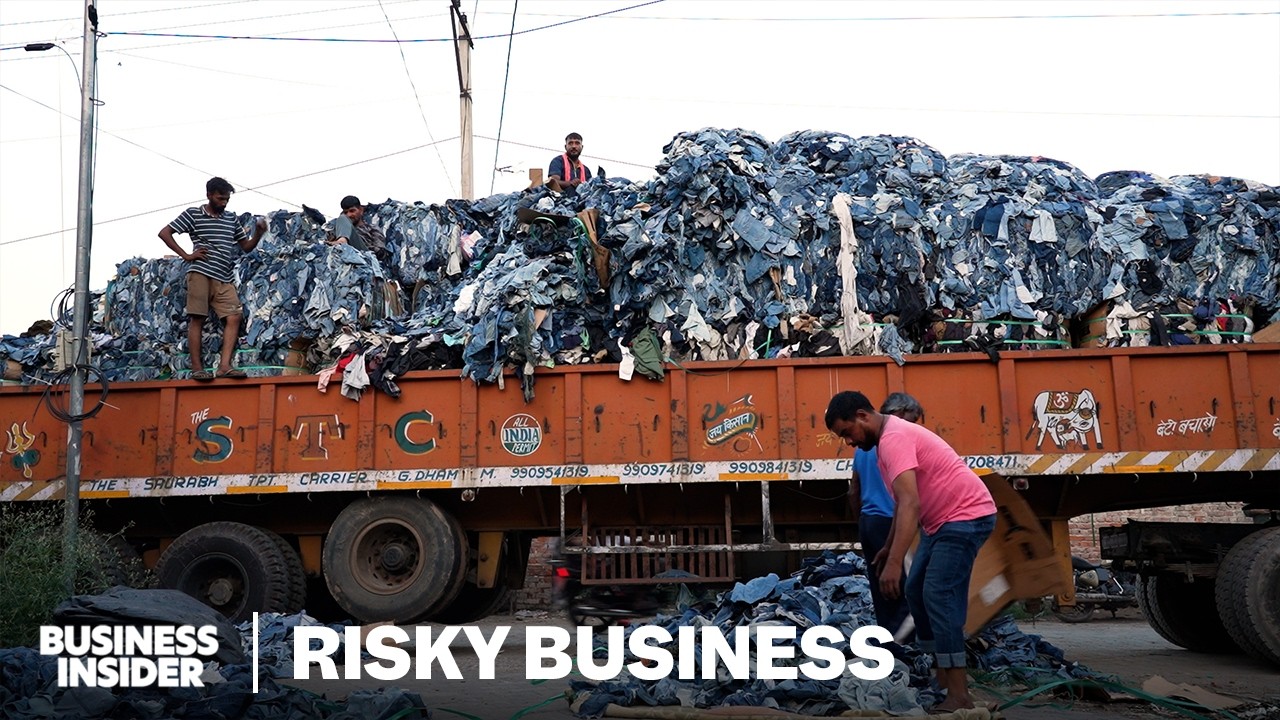
In a small town known as Panipat, India, the mountains of discarded clothing tell a sobering story. Each year, approximately 1 million tons of old garments find their way here, transformed into a vital part of the global fashion supply chain. However, this transformation comes at a significant cost. Workers in Panipat sort, shred, bleach, and dye these garments into new fibers, rugs, and blankets, all while facing serious health risks from textile dust, hazardous machinery, and toxic chemicals.
The video “Why Workers In India Risk Their Lives To Recycle Your Old Clothes” delves into the journey of fast fashion’s leftovers. It starts by exploring where the world’s unwanted clothes end up, highlighting Panipat’s key role in the lifecycle of discarded textiles. Once these clothes arrive, workers meticulously sort through the heaps, a labor-intensive process that requires both speed and precision. Unfortunately, the sorting itself exposes them to airborne textile dust, a harmful byproduct that can lead to respiratory issues over time.
Fast fashion has become synonymous with excessive waste—a stark reality that feeds into the operations in Panipat. As the demand for inexpensive clothing continues to rise, so does the volume of discarded textiles. The video points to this overwhelming problem, shedding light on how the relentless cycle of consumption creates increasing amounts of waste, forcing workers into perilous conditions.
The subsequent processes of shredding and transforming these old clothes into usable yarn are fraught with danger. Dangerous machinery operates in a relentless environment, where mishaps can lead to severe injuries. Additionally, the workers face exposure to harsh chemicals during the bleaching process, which not only affects their immediate health but poses long-term risks as well. The narrative captures the hidden cost of our clothing habits—individuals sacrificing their well-being for the sake of recycling.
As the garments move through the recycling chain, viewers witness the process of dyeing recycled fabric, another step laden with health risks. The workers’ daily reality juxtaposes the aesthetic transformation of our old clothes into vibrant products. Yet, this impressive turnaround comes wrapped in layers of risk that demand a reconsideration of how we approach the lifecycle of clothing.
The video concludes by presenting the end products of this intense labor, showcasing the yarn, rugs, and blankets that find new life in homes around the world. However, it leaves viewers questioning the ethical implications: Who truly pays the price for our discarded fashion? As Panipat continues to innovate in textile recycling, the health and safety of its workforce remains a pressing concern that must not be overlooked in our pursuit of sustainability.
In an ever-evolving fashion landscape, it is crucial for consumers to acknowledge the hidden stories behind their purchases, especially the lives at stake in far-flung locales like Panipat. Through this video, viewers not only gain insight into the remarkable resilience of these workers but are also urged to consider the broader implications of fast fashion and the urgent need for responsible consumption.
Watch the video by Business Insider
Video “Why Workers In India Risk Their Lives To Recycle Your Old Clothes” was uploaded on 11/21/2026 to Youtube Channel Business Insider