

How Cuba’s Economic Crisis Is Actually Opening Business Up
Cuba stands at a crossroads. While it faces the worst economic crisis in decades, marked by severe shortages of food, fuel, and other essentials due to escalating U.S. sanctions and a fuel blockade, an unexpected phenomenon is emerging: a burgeoning private sector.
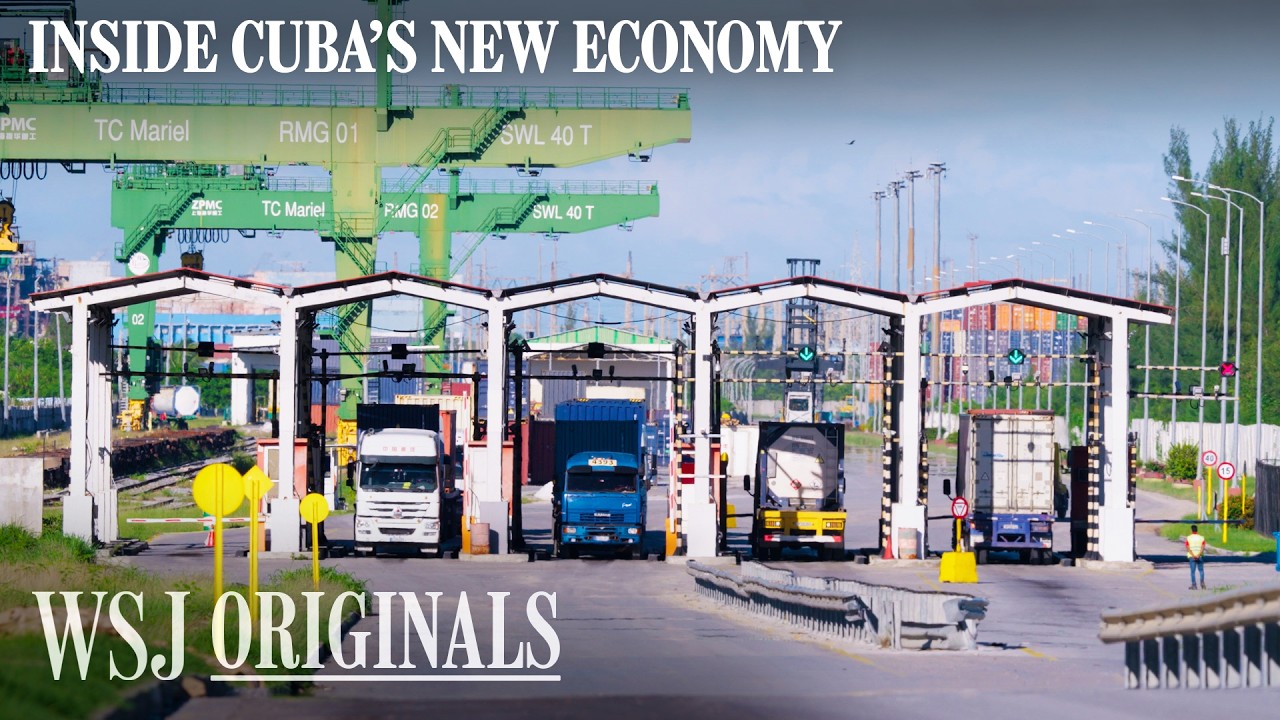
Recent reforms have heralded a shift in the nation’s economic landscape, marking the most significant opening since the 1959 Cuban Revolution. This transformation is at the heart of a new video from The Wall Street Journal, which offers a unique on-the-ground perspective of these changes and the conflicting realities unfolding across the island.
A Tale of Two Economies
The contrast between the suffering experienced by Cuba’s state-run institutions and the vitality of its nascent private enterprises is striking. As government resources dwindle and services falter, entrepreneurs are finding paths to success in a landscape long dominated by state control. The report dives into how the government’s hesitance to fully relinquish its grip on the economy is at odds with the dynamic energy of its citizens, who are eager to innovate and adapt.
Private Enterprise on the Rise
Viewers are taken through various chapters highlighting this transition. Beginning with a snapshot of the private enterprise boom, the video showcases entrepreneurs who have seized the opportunity amid despair. These individuals are not only addressing local needs but are also beginning to reshape Cuba’s economic framework.
Shifts from Full State Control
As the narrative unfolds, the video elaborates on the structural shifts occurring within Cuba. The gradual move away from a fully state-controlled economy paves the way for private entities to flourish. The WSJ’s report captures the spirit of resilience as businesses spring up in defiance of the longstanding economic hardships, creating hope in an environment where hope has been in short supply.
Potential Opportunities and Challenges
Furthermore, the likelihood of U.S. fuel sales opens discussions about the interplay between external influences and internal growth. While sanctions have undeniably exacerbated the crisis, they have also unintentionally catalyzed innovation and entrepreneurship among Cubans willing to find their place in a changing economy.
Nevertheless, this progress is not without its challenges. The uneven growth in various sectors reflects a complicated reality; while some areas of the economy are thriving, others remain stagnant, underscoring the need for equitable development.
The WSJ’s reporting not only highlights the emerging opportunities but also calls attention to the hurdles that remain for Cubans navigating this patchwork economy.
Conclusion
The ongoing economic crisis in Cuba serves as a compelling case study of necessity driving innovation. By featuring the voices of those on the ground, The Wall Street Journal sheds light on the paradox of hardship breeding entrepreneurial spirit. As Cuba fights through its most challenging times, the resilience of its people might just open doors to a brighter, more diverse economic future.
This comprehensive exploration invites viewers to not only witness the struggles but also the triumphs of a society on the brink of transformation, as it confronts the complexities and contradictions of a new era in Cuban business.
Watch the video by The Wall Street Journal
Video “How Cuba's Economic Crisis Is Actually Opening Business Up | WSJ” was uploaded on 10/27/2026 to Youtube Channel The Wall Street Journal