
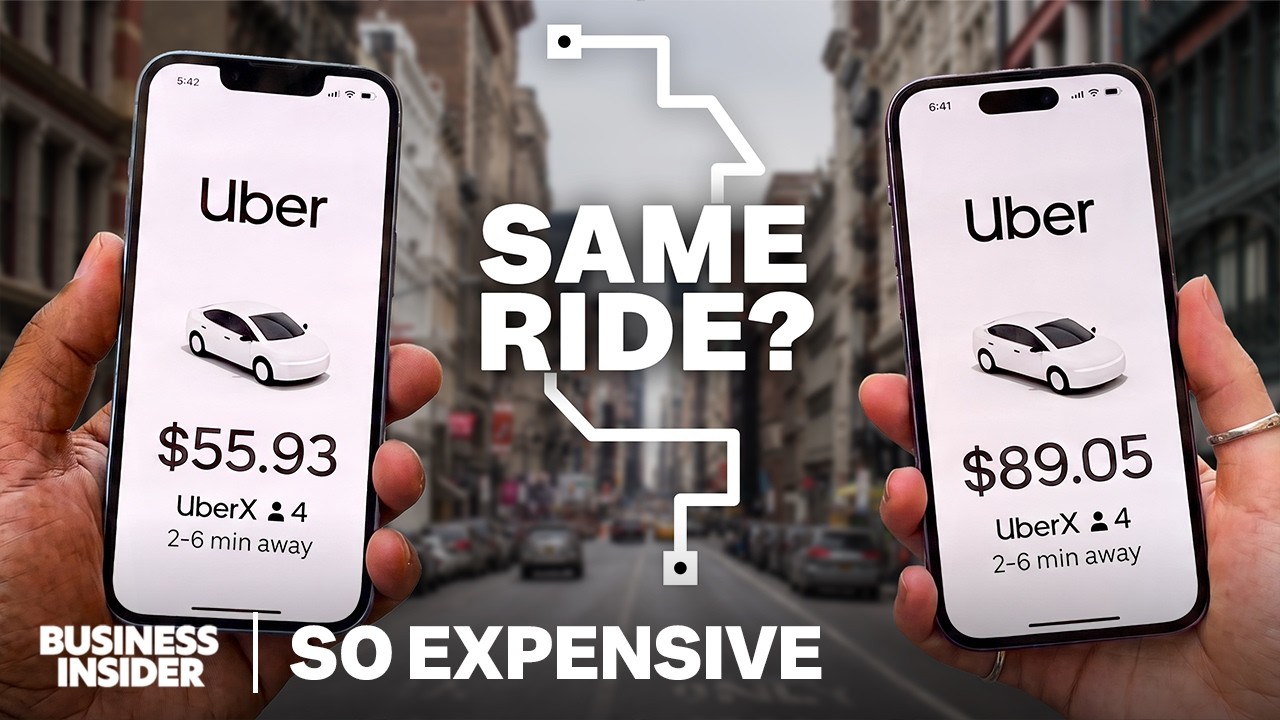

How Uber Uses AI To Charge You More
In the early days of its inception, Uber attracted consumers with the simple promise of a convenient ridesharing experience that was cheaper than traditional taxis. However, a significant transformation occurred under the surface when the company introduced up-front pricing—a shift from a straightforward calculation based primarily on distance and time to a more complex, algorithm-driven model. This strategic pivot allowed Uber to leverage a range of dynamic, real-time factors when determining fares and driver earnings.
As a result of this new pricing model, Uber’s charges have skyrocketed. Between 2018 and 2022, average fares in the United States surged by 83%, a staggering increase that far outpaces the national inflation rate. A notable experiment by Business Insider revealed just how volatile fares can be; when employees ordered the same UberX ride simultaneously, price variations exceeded 21% between the highest and lowest fares. Furthermore, a broader study by Consumer Reports uncovered even greater discrepancies in pricing across various routes, raising eyebrows and leading to accusations that Uber’s algorithm favors profit at the expense of its riders.
Critics argue that Uber’s use of artificial intelligence and sophisticated algorithms effectively allows it to exploit consumers while minimizing compensation for drivers. The company, however, firmly refutes these allegations. Uber points to external factors like escalating operational costs and a persistent post-pandemic driver shortage to justify the dramatic fare increases. But this explanation does little to allay concerns that riders are being charged excessively due to opaque pricing mechanisms.
So, how precisely does Uber determine what you will pay for a ride? The answer lies in its algorithmic pricing strategy, wherein real-time factors such as demand, traffic conditions, and even the rider’s location play critical roles. By analyzing vast amounts of data, Uber can adjust fares dynamically, optimizing for both rider pricing and driver incentives. The result is a pricing landscape where riders often find themselves grappling with inconsistent fares for the same journey.
Moreover, this up-front pricing model also significantly impacts drivers. While the algorithm sets fare rates, Uber’s “take rate”—the percentage of the fare that the company retains—further complicates the economics for drivers. Despite driving costs skyrocketing for consumers, many drivers report that their earnings remain stagnant, if not diminished. This discrepancy has led to growing dissatisfaction within the driver community, who feel squeezed by a system designed for profitability rather than fairness.
As Uber navigates an increasingly competitive and scrutinized market, the rise of algorithmic pricing is poised to shape its future. While the company cites legitimate concerns such as rising costs and market instability, the opaque nature of its fare-setting processes raises questions about fairness and transparency for consumers. In an era where cost of living continues to rise, understanding how Uber’s pricing algorithms work is crucial for riders looking to decipher the true cost of their journeys.
Watch the video by Business Insider
Video “How Uber Uses AI To Charge You More” was uploaded on 08/22/2026 to Youtube Channel Business Insider