
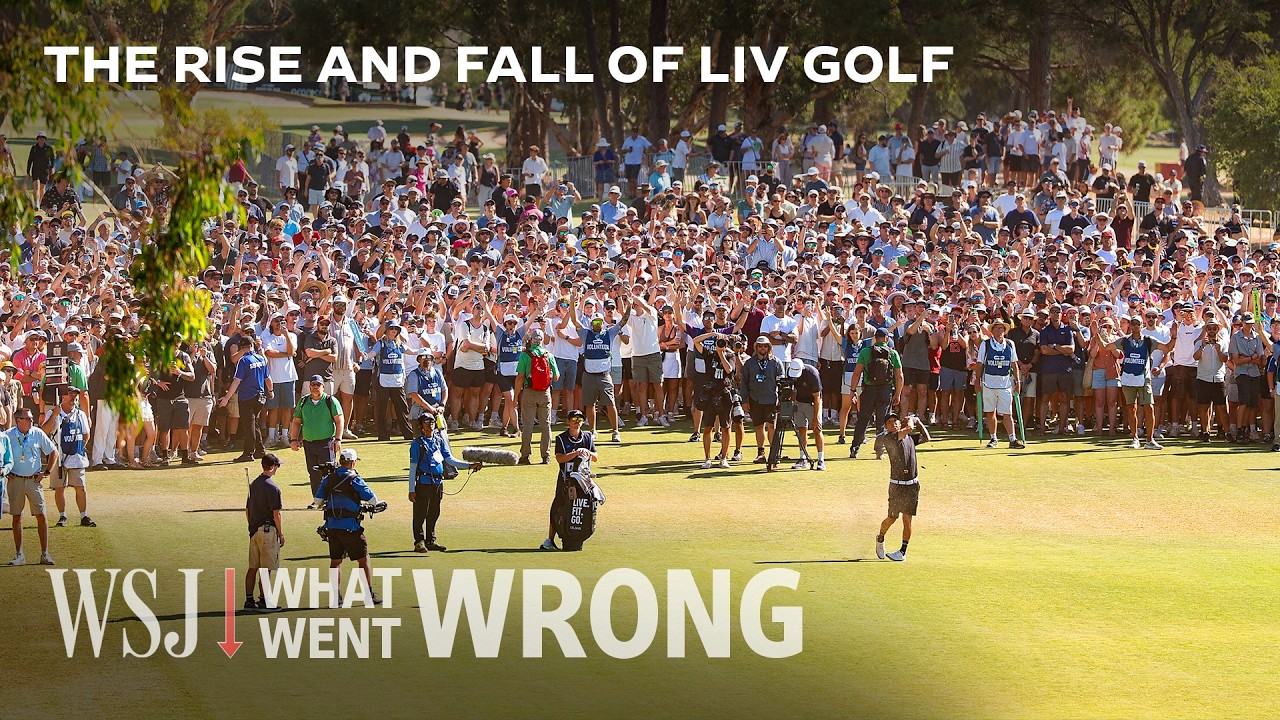

Why Saudi Arabia’s $5B LIV Golf Experiment Failed
In a substantial twist within the realm of sports investment, Saudi Arabia’s Public Investment Fund has announced its withdrawal of funding from LIV Golf, effective at the conclusion of the 2026 season. This decision marks a significant turning point, signaling the end of a bold but ultimately unsuccessful venture that sought to disrupt the traditional golf landscape dominated by the PGA Tour.
The Rise of LIV Golf
LIV Golf emerged onto the scene with ambitious goals and substantial financial backing, aiming to create a competitive format that could rival the long-established PGA Tour. Launching with a star-studded roster that included renowned golfers like Jon Rahm, Brooks Koepka, and Bryson DeChambeau, the league attracted considerable attention from both fans and the media. With lavish prize funds and a fresh approach to tournament structure, LIV Golf initially generated excitement, drawing players looking for new opportunities and lucrative contracts.
The Downfall
However, despite the initial enthusiasm, the venture began to falter. Several factors contributed to its downfall. First and foremost was the backlash from the golfing community and fans alike, where LIV Golf faced accusations of “sportswashing,” attempting to obscure human rights issues in Saudi Arabia through sporting investments. The polarization of opinions alienated potential supporters and created an uphill battle in building a sustainable audience.
Furthermore, the league struggled with operational challenges, including navigating broadcasting rights and timing conflicts with existing PGA tournaments. While LIV Golf aimed to attract a more casual audience with its innovative formats, its execution often fell short, leading to viewer disengagement and a lack of consistent engagement from fans.
A Reckoning for Athletes
The impending exit of Saudi funding presents an uncertain future for the star players who chose to join LIV Golf. Many now face a reckoning; returning to the PGA Tour may not be as straightforward as anticipated. Players such as Koepka and DeChambeau will need to navigate the complex landscape of professional golf in a post-LIV world. While some players have expressed a desire to return to the PGA Tour, the path forward includes reconciling with a golfing community that may remain skeptical of their past decisions.
What’s Next?
As LIV Golf transitions into this new phase, the implications for both the players and the sporting landscape are profound. The league’s failure underscores the challenges of disrupting established sports hierarchies, especially when public sentiment and cultural perceptions play a critical role.
The future of professional golf may evolve in unpredictable ways as former LIV players seek to reclaim their spots and the PGA Tour continues to respond to the pressures of competition. Ultimately, the ambitious experiment serves as a stark reminder of the risks associated with high-stakes investments in the realm of sports, highlighting that passion, integrity, and community support remain at the core of what defines successful athletic endeavors.
Watch the video by The Wall Street Journal
Video “Why Saudi Arabia’s $5B LIV Golf Experiment Failed | WSJ What Went Wrong” was uploaded on 05/02/2026 to Youtube Channel The Wall Street Journal