
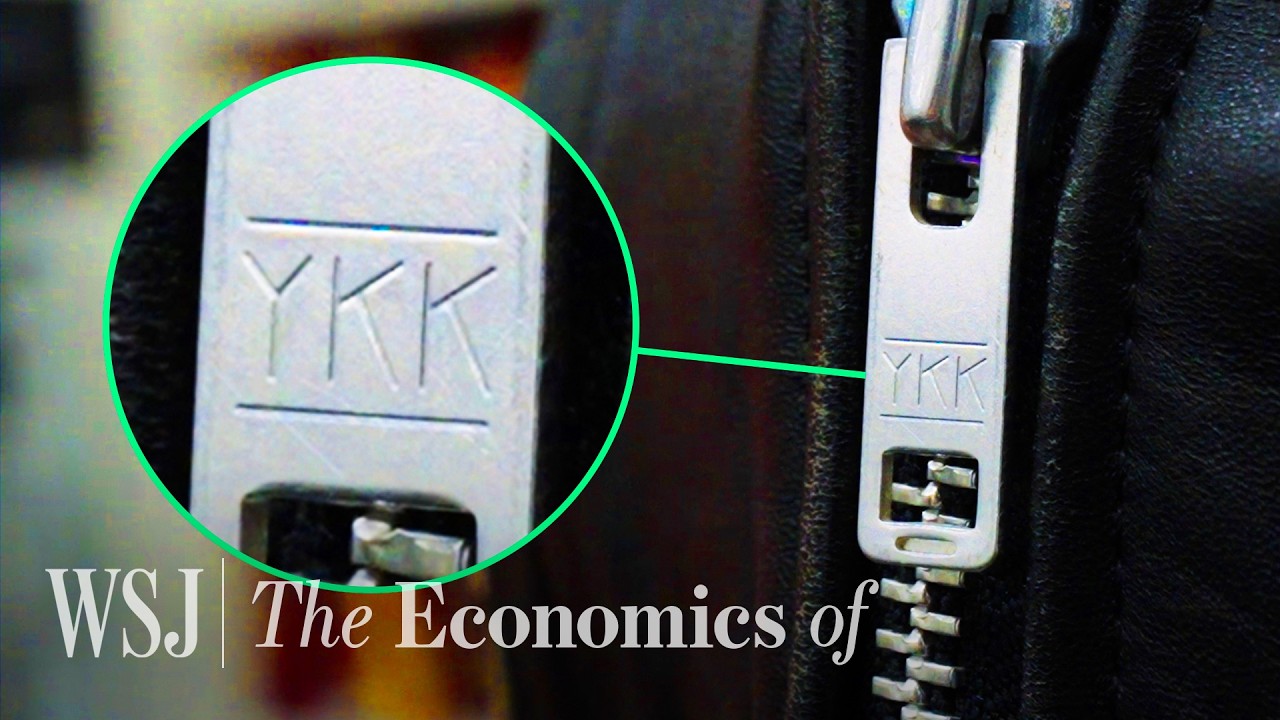

YKK: The Zipper Empire Behind Billions of Closures
In the intricate tapestry of modern commerce, few companies embody the spirit of innovation and ambition as profoundly as YKK, the Japanese zipper manufacturer. Responsible for producing an astonishing 10 billion zippers annually, YKK has woven itself into the very fabric of our daily lives—from the denim of our jeans to NASA’s space exploration gear. But how did this seemingly small component grow into a global fastener empire?
In the latest episode of WSJ’s “The Economics Of,” the journey of YKK from a local manufacturer to an international powerhouse is examined in detail.
A Dominant Presence
At the outset, the video highlights YKK’s monumental market presence. The name “YKK” is nearly synonymous with zippers; the company’s logos are commonly found on an array of products across various sectors. This ubiquity is a result of YKK’s relentless focus on quality and manufacturing precision. The company’s steadfast commitment to controlling every aspect of its supply chain, from raw materials to finished products, has afforded it a competitive edge that is difficult for rivals to replicate.
The Business Model
Delving deeper, the video explores YKK’s unique business model. Unlike many manufacturers who might delegate production abroad to cut costs, YKK maintains an obsessive control over its manufacturing process, ensuring that every zipper produced meets its high standards. This meticulous attention to detail translates into superior product reliability, a key factor that attracts major customers, including several leading apparel brands.
YKK’s approach is not merely about production efficiency; it’s also about cultivating enduring relationships with clients. By continually adapting its products to meet the evolving needs of its customers, YKK has established itself as a trusted partner throughout the industry.
Who Keeps YKK Going?
The video also sheds light on YKK’s main customer base. Apparel manufacturers are YKK’s primary clients, but the company has also ventured into other sectors, including automotive and aerospace. This diversification has helped cushion YKK from market fluctuations. However, the reliance on a few key customers—which often dominate the global clothing industry—highlights both the opportunities and vulnerabilities inherent in YKK’s business model.
Navigating Challenges
As YKK continues to expand internationally, it faces a formidable array of challenges. Legal scrutiny, particularly concerning anti-competitive practices, looms large as the company navigates various global markets. Furthermore, the quest for innovation poses an ongoing dilemma: what comes next for a titan like YKK, especially in the face of advancements in technology and changing consumer preferences?
In this episode of “The Economics Of,” WSJ travels to Japan, unraveling the complexities behind YKK’s remarkable growth. It reveals how a simple fastening device has not only revolutionized an industry but has also sparked inquiries into market practices, competition, and sustainable growth strategies.
As the video concludes, it leaves viewers pondering the broader implications of YKK’s journey: in a world increasingly driven by innovation, can even the most established companies continue to thrive, or do they risk being left behind in the relentless march of progress? The narrative of YKK—a blend of historical insight, business acumen, and the relentless pursuit of quality—provides a window into the intricate workings of modern global commerce.
Watch the video by The Wall Street Journal
Video “YKK Sells 10B Zippers a Year. How Did It Get So Big? | WSJ The Economics Of” was uploaded on 07/29/2026 to Youtube Channel The Wall Street Journal