

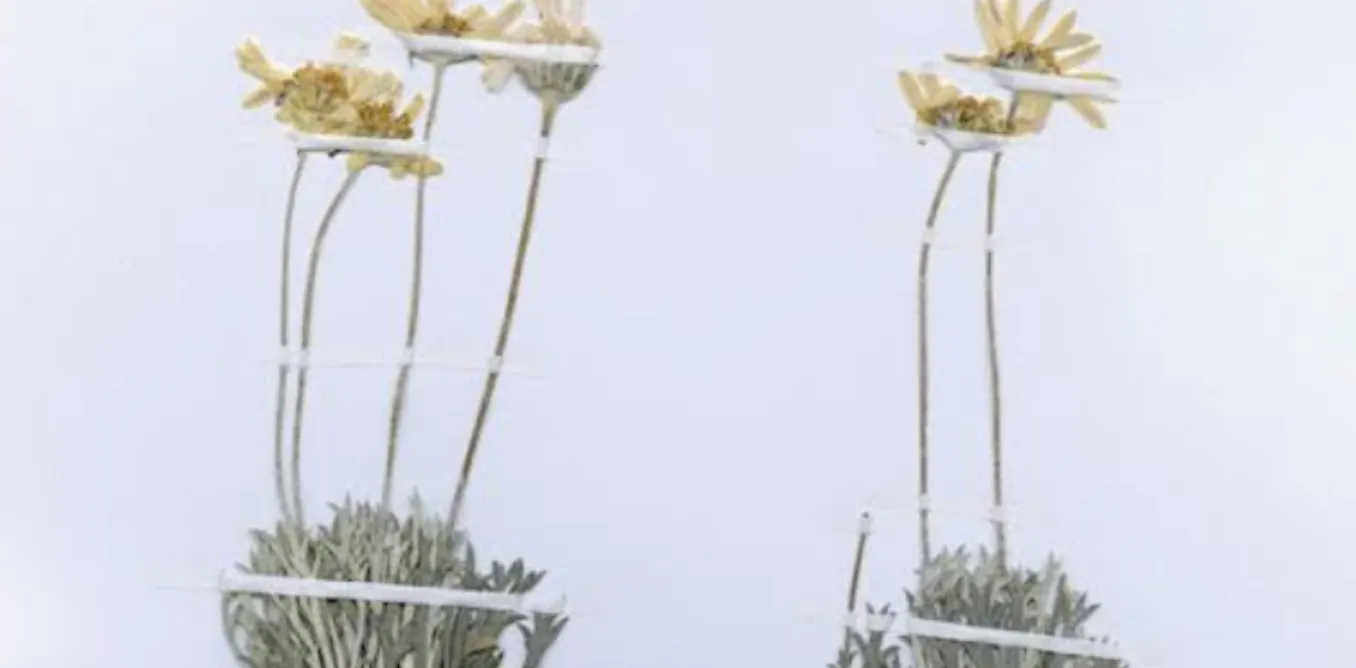
Universities and biodiversity institutes have hidden treasures: their collections of pressed plant specimens. These are plants that have been flattened, dried and mounted on special cardboard sheets. Some of them were collected centuries ago. They hold information about where species occur and how ecosystems changed over time.
Yet for many researchers and policymakers, that information remains invisible. The collections are filed in cabinets and the data mostly only accessible if seen in person, one specimen at a time.
RR Klopper
This is the central challenge facing African herbaria today. Herbaria are libraries of the plant world, holding collections and botanical records. Too few of these records are digitised, searchable or accessible online. That gap has real consequences for science, conservation and Africa’s ability to make evidence-based decisions about its natural heritage.
Botanical taxonomists like ourselves study herbarium specimens and live plants to explore and organise botanical diversity. They generate data which informs other plant related research, conservation priorities and biodiversity legislation.
In a recent paper, we explained how digitisation of herbarium specimens in South Africa and the western Indian Ocean island states (La Réunion, Madagascar, Mauritius, Mayotte, the Comoros, and the Seychelles) makes access to collections easier while protecting specimens.
Our research shows that digitisation allows researchers, institutions and policymakers to share information and work together. It reduces costly travel and specimen loans, and supports assessments of whether species are becoming scarce. It also provides evidence for protected area planning, environmental authorisations and invasive species management.
What herbaria hold and why it matters

SANBI
The plant specimens in herbaria are linked to information on species identity, collection date and location. Together, these specimens form an archive of plant life across centuries. For example, in South Africa alone, 66 herbaria hold more than 3.2 million specimens of about 21,600 species found and collected in the country. South African collections also hold specimens from other African countries – but we don’t know exactly what’s there because these collections are mostly not digitised.
Read more:
Burkina Faso and Mali’s fabulous flora: new plant life record released

SANBI
Herbarium specimens include a label with details of where, when and by whom they were collected. Often there’s also information about plant characters and habitat. Digitisation means transcribing (capturing label details in a database), georeferencing localities (converting text-based place descriptions into geographic coordinates) and imaging specimens at high resolution.
Digitised herbarium records underpin global efforts to protect species and the planet. The data are used:
-
by the International Union for Conservation of Nature (IUCN) Red List – an inventory evaluating extinction risks of plants, animals and fungi
-
during threatened species assessments using IUCN categories and criteria, and monitoring their survival over time
-
to inform ecosystems identification and highlight biological communities providing essential services (like water supply) that should be targeted for conservation
-
to support climate change research
-
to help identify Important Plant Areas for conservation planning.
Read more:
Climate mapping can point to danger spots where new pest threatens Africa’s cycads
For historical reasons, many specimens collected on the African continent are housed in northern hemisphere institutions. The herbarium of the Muséum National d’Histoire Naturelle in Paris alone holds over 11,230 type specimens from the western Indian Ocean islands. The herbarium of the Royal Botanic Gardens, Kew in London holds over 2,200 types collected in South Africa.
These collections contribute enormously to botanical science and biodiversity research globally. Fortunately, they are accessible digitally.
Read more:
Colonialism has shaped scientific plant collections around the world – here’s why that matters
Progress worth celebrating
Significant progress has been made within African institutions, and shows what is possible.
The Southern African Botanical Diversity Network (1996-2005) has transcribed 450,000 herbarium specimens across ten southern African countries and built a generation of botanical expertise on the continent. The African Plants Initiative (2003-2008) has digitised more than 290,000 specimen images and helped establish JSTOR Global Plants, now one of the world’s largest digital plant specimen repositories.
In South Africa and the western Indian Ocean islands, several herbaria are currently digitising their collections. Some are transcribing label information first; others are imaging their collections.

SANBI, taken by Siyabonga Tibini
The challenges
There are still barriers, however:
-
unreliable internet connectivity in many African countries
-
funding is intermittent and often project-based
-
there is a shortage of taxonomists, curators and data science professionals
-
some decision-makers do not fully understand why herbaria matter, leaving collections under-resourced.
What needs to be done
Africa is losing species biodiversity faster than scientists can discover, study, describe and catalogue it. Globally, more than 2,500 plant species are described each year, indicating how much remains undiscovered. The Kunming-Montreal Global Biodiversity Framework, established in 2022 by the United Nations Convention on Biological Diversity, sets targets for halting biodiversity loss by 2030 and demands that the world moves faster.
Based on our research findings we make the following recommendations:
A pan-African coordinated digitisation effort, managed from within the continent, is needed. This should begin with an audit of what exists and what is at risk.
African collections must be fairly represented in the emerging global metaherbarium – an interlinked, open-access, global digital herbarium. Data and images from northern hemisphere institutions must also be repatriated to accessible African repositories.
Community networks must grow to share skills, infrastructure and funding strategies.
Policymakers and funders need a clearer understanding of how herbarium data underpins conservation decisions, protected area planning and species recovery.
Artificial intelligence could accelerate the process. Automated transcription of handwritten specimen labels is just one emerging capability that would dramatically reduce the time and cost of digitisation. The value and usefulness of digitised specimens further increase through image-based taxonomic determination and machine-learning tools for trait extraction.
Read more:
Lost fynbos seeds from underground ‘time capsules’ in South Africa can grow again – new study
Herbaria remain important
Digitisation significantly expands access to specimen data and images, as highlighted in the State of the World’s Plants and Fungi report. But it does not replace the scientific value of the physical collections themselves. Digital records can reduce the need to handle fragile specimens and make information instantly accessible across borders, but many important characteristics remain invisible in photographs alone. Features like microscopic anatomy, floral structures, DNA, chemical composition, texture and scent require direct examination of the original material. Continued access to physical specimens remains essential.
Digitisation extends the value and reach of herbarium collections, which must continue to be curated and preserved. The specimens were gathered at great effort and often great sacrifice. They are irreplaceable records of a living world that is changing faster than at any time in recorded history.
The post “Africa’s herbarium collections are a scientific treasure. They need to be digitised before more biodiversity is lost” by Ronell R Klopper, Extraordinary Lecturer, University of Pretoria was published on 08/26/2026 by theconversation.com