

“Concentrate!” A stern face, intense look and arms across the chest. A one-word order for primary-aged daughters. It’s the start of a tennis lesson, and the children have already clocked two hours of practice with their dad beforehand.
It doesn’t stop there. The stories of unkind adult behaviour at youth sport events are endless, and alarmingly persistent. As a tennis coach and an academic researching sport, I’ve heard of – or witnessed myself – shouting, belittling, blaming, name calling and cheating. Even full-blown fist fights at under-eight events.
Youth sport can grant many health benefits. It can contribute to physical fitness, social development and mental wellbeing. But it’s essential that young players thrive in environments that emphasise play, autonomy and creativity, rather than rigid structures designed and controlled by adults.
So often, youth sports sell a dream. Don’t you want to be the next Novak Djoković or Serena Williams? The next Jude Bellingham or Simone Biles? But this can lead to a toxic culture of relentless training, high-stakes pressure and demanding competition focused on young children, with little evidence of its value.
Hobbies can bring joy, wellbeing and focus to our busy lives, but so many of us don’t have one. If you’re ready to replace scrolling with stitching, or hustle with horticulture, The Hobby Starter Kit (a new series from Quarter Life) will help you get going.
Children are dependent on their parents, with a natural desire to please out of a need for attachment and acceptance. This can become problematic, keeping children in situations and circumstances that harms them, especially when children believe or feel that their worth is closely related to their sporting performance and training compliance. If acceptance and love are conditional, a child’s mental health can be negatively affected.
Young people are particularly driven by internal rewards of enjoyment, curiosity and personal satisfaction during an activity absent from adult control. This means that they are likely to get most enjoyment – and feel most motivated – when they have autonomy over what they’re doing, rather than trying to please a parent.
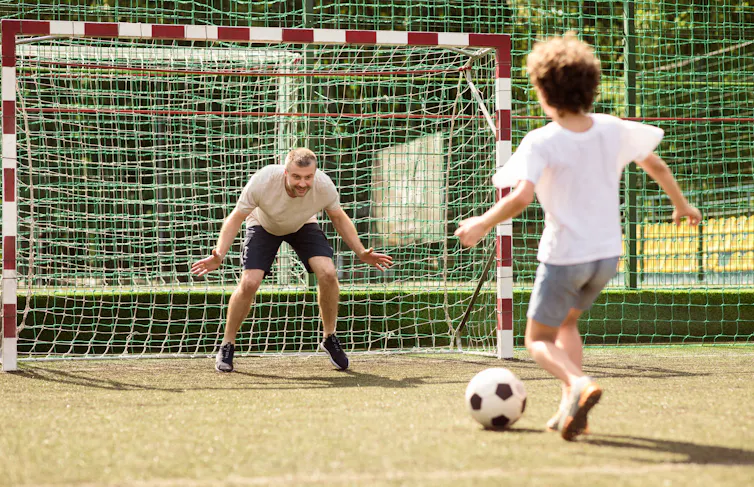
Prostock-studio/Shutterstock
Youth sport can bring children joy, connection and satisfaction. If you’re a parent of a child who takes part in youth sports, here are some tips to bear in mind.
1. Prioritise mental health
Honour your child’s boundaries. If children don’t want to attend a competition, train multiple times a week or continue with a sport at all, they should be able to say so without fearing negative consequences. No is not a bad word or a problem that needs fixing. On the contrary – no is healthy, and learning to say no is an essential part of growing up.
Validating children’s emotions, feelings and experiences is essential. Comparisons and delusional views are not. Externally imposed targets – when a child’s value seems to be tied to their athletic performance – strip them of their authentic self, undermining their development. Children and adolescents need deliverance from judgment and stress. Released from the worry of not being good enough. Instead, the goal should be consciously raising resilient children.
Research insists on a systemic and a cultural shift in youth sport to focus on children’s mental health. As parents, this means acknowledging, openly communicating and consistently prioritising children’s welfare. Children’s self-worth should not be based on their sporting performance.
2. Always have fun first
Believe in your child’s own path to success. There is a loud, distorted understanding of what guarantees greatness in youth sport.
Monica Seles, a renowned figure in tennis history, won the under-18 Junior Orange Bowl competition at the age of 11. At 16 she became the youngest player to win the French Open and was the world’s number one player by 18. She won a total of eight Grand Slam titles before the age of 20.
Seles started to play tennis at the age of five in unconventional spaces such as parking lots, hitting tennis balls against buildings. Her dad would draw cartoon characters of Tom and Jerry on tennis balls for Monica to hit. She simply wanted to play, not caring or fully understanding how the scoring worked – she was just having fun with her dad.
3. Connect in meaningful ways
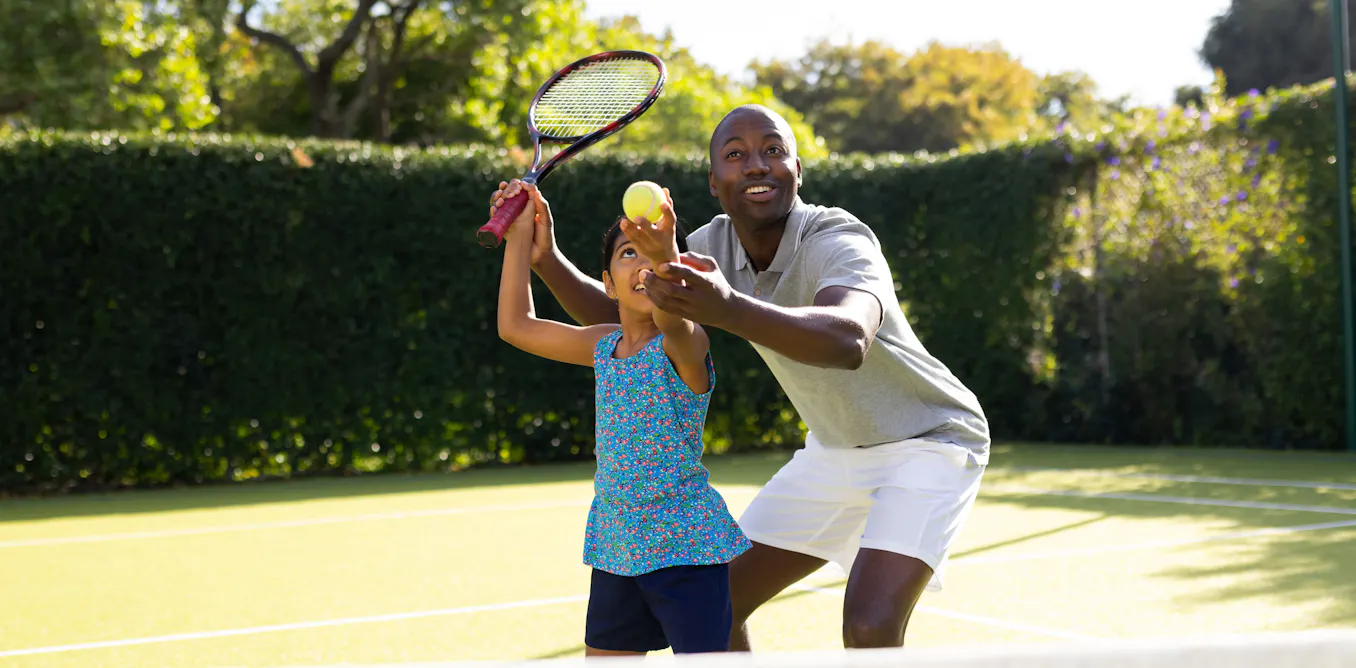
Commit to quality time together. Youth sport can improve communication, bonding and overall closeness within families. Involved parents who prioritise fun can help build community around youth sport.
Make taking part in competitive sport a family bonding experience. This could mean choosing music together on the way to a competition, having a snack together afterwards – and conversation during the car ride home that focuses on support, not coaching or criticism.
Focus on creating an environment that values joy, laughter and curiosity. This positive association can encourage a lifelong love for sport. As golfer Padraig Harrington has said, “Whatever they want to do, let them do … and bring them home before they get tired”.
The post “Competitive youth sport: how to be a supportive parent” by Sarah Ayer, Senior Academic in Sports Management, Bournemouth University was published on 07/15/2026 by theconversation.com