
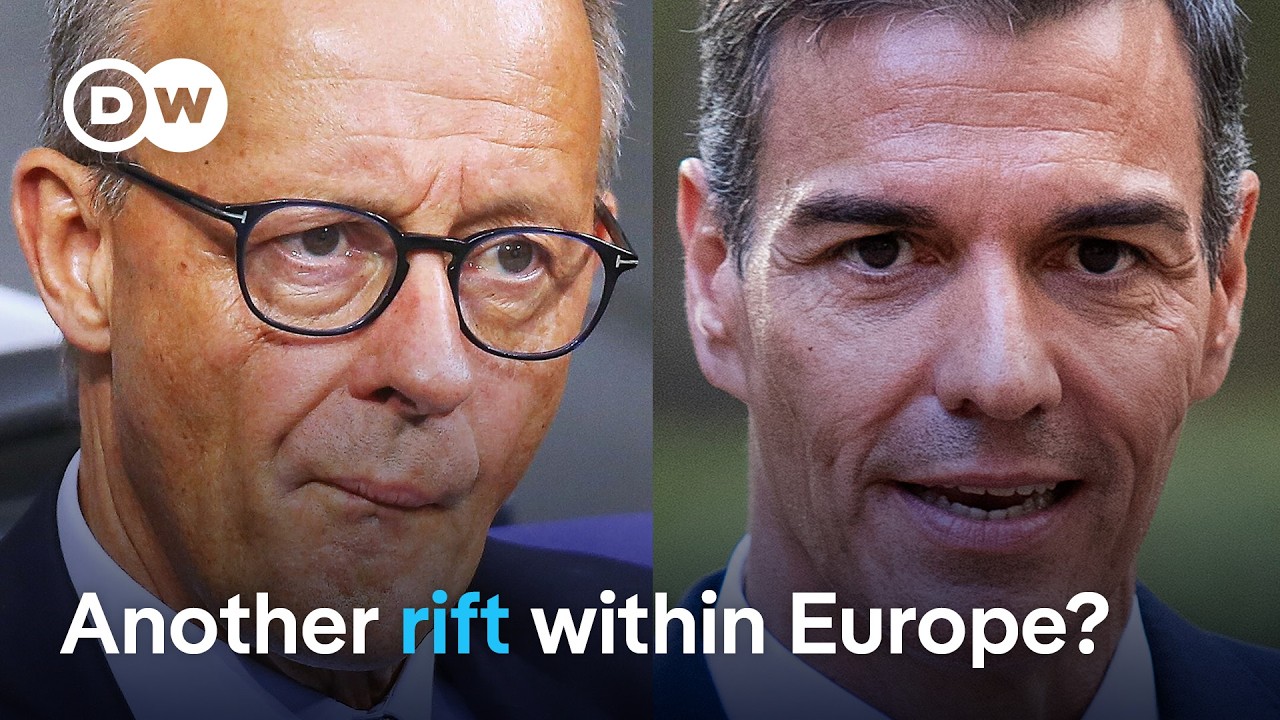

Europe Remains Divided Over Iran Conflict: A Study of Ambivalence
As the geopolitical landscape shifts with the United States and Israel intensifying their military engagements in Iran, Europe finds itself in a paradoxical position—caught between its historical commitments to diplomacy and an urgent need for cohesion in response to burgeoning tensions. The complex reactions from key European nations reflect not just political expediency but highlight a broader philosophical divide regarding interventionism and national sovereignty.
The U.S. actions, particularly under the Trump administration, have drawn a mixed bag of responses from Europe. On one hand, there is a palpable sense of restraint, with European powers treading carefully as they navigate the implications of potential instability in an already volatile region. Condemnation—if it occurs—is often couched in diplomatic language, expressing concern without fully committing to a position that might escalate tensions further. This cautious stance is a reflection of Europe’s historical reluctance to engage in military confrontations, particularly without a unified front.
Yet, beneath this veneer of restraint lies a simmering undercurrent of reluctant support for the U.S. objectives in the region. Some European leaders acknowledge the perceived threats posed by Iran, especially regarding its nuclear ambitions and its influence on regional proxies. In this complicated web of alliances and conflicts, there is an ambiguous acknowledgment that certain Israeli security concerns are valid, a perspective that can sometimes tilt European sentiments towards a grudging compliance with U.S. policies.
This schism among European nations underscores a recurring theme in modern history—when faced with U.S. military actions, unity often gives way to disparate national interests and varying perspectives on intervention. Countries like France and Germany may publicly express skepticism about unilateral military strikes, advocating for dialogue over confrontation, while others, like the United Kingdom, might lean more towards aligning with U.S. strategies, albeit through a cautious lens.
The tensions surrounding the Iran conflict not only expose the fragile bonds within Europe but also force European nations to grapple with their own foreign policies. As they ponder their responses, many are tasked with weighing moral imperatives against strategic necessities. The question remains: Is Europe invested in a genuine resolution to the conflict, or is it merely reacting to the immediate threats posed by its transatlantic ally?
In conclusion, the reaction of Europe to the U.S. and Israeli strikes on Iran encapsulates a moment of profound ambivalence. Straddling the line between condemnation and support, European leaders face the daunting challenge of crafting a coherent policy that balances their historical principles with the realities of global politics. As the situation develops, Europe must confront not just its relationship with Iran, but its own identity within a complex international order.
Watch the video by DW News
Video “Europe remains divided over Iran war, but is it actually invested? | DW News” was uploaded on 03/04/2026 to Youtube Channel DW News