
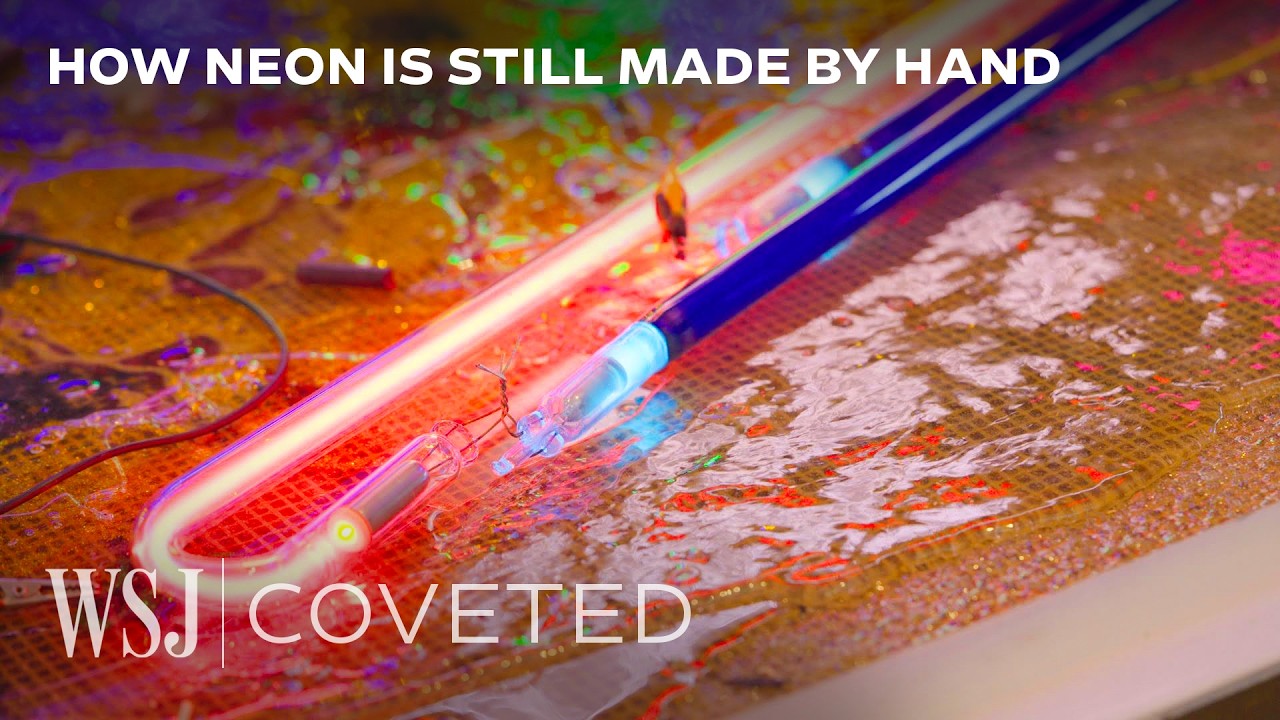

How This 100-Year-Old Company Is Recreating a Lost Neon Color: A Dive into an Iconic Craft
In a world increasingly dominated by digital screens and LED displays, the art of neon sign-making is facing a crisis. As the glow of neon tubes fades and the vibrant colors that once captivated architects, advertisers, and artists alike become lost to time, a venerable American company is on a mission to revive one of neon’s most elusive hues.
The latest episode of WSJ Coveted takes viewers on a fascinating journey through the rich history and intricate craft behind neon signs. The program begins with a nostalgic look at the iconic neon signs that once adorned city streets and neighborhoods. These bright, flickering lights have served as beacons of commerce and culture, each tube a testament to skilled craftsmanship and creativity.
The episode unveils the meticulous process behind creating these luminous works of art, diving deep into the intricacies of neon tube manufacturing. The viewer learns how glass artisans expertly bend and shape the tubes, a practice that requires not only technical skill but also a profound appreciation for the material. Each twist and turn can impact the final aesthetic, highlighting the beauty of handcrafted items in an era dominated by mass production.
At the heart of this episode is the pursuit of recreating neon’s lost colors. Delving into the science and artistry behind neon gas and phosphor coating, the show explains how certain shades of green have disappeared from the palette of neon makers. As experienced artisans retire and the knowledge of glass bending dwindles, the nuances of color creation hang in balance. This pursuit is driving a new generation of craftsmen to reignite their passion, ensuring that these vibrant colors do not vanish forever.
As the episode unfolds, the complexities of modern technology are juxtaposed against traditional methods. While LED lighting has become the go-to option for many businesses, the allure of neon remains untarnished among purists. The episode explores why neon, with its warm glow and unique aesthetic quality, holds a special place in hearts — a quality that LEDs, despite their efficiency, often lack.
Yet, the future of neon remains uncertain. As the demand for classic neon signs faces competition from contemporary signage solutions, the episode poses a critical question: what does preservation mean in a rapidly evolving landscape? Through interviews with neon artisans and historians, viewers gain insights into the significance of safeguarding this iconic craft, not merely from an artistic perspective but as a vital part of American heritage.
WSJ Coveted offers more than just a look at neon’s vibrant past; it captures the essence of a craft that continues to illuminate our cultural landscape. As the episode concludes, it serves as a clarion call to cherish and support the artisans dedicated to keeping the neon dream alive, ensuring that future generations can also bask in its radiant glow.
Watch the video by The Wall Street Journal
Video “How This 100-Year-Old Company Is Recreating a Lost Neon Color | WSJ Coveted” was uploaded on 08/11/2026 to Youtube Channel The Wall Street Journal