

The Rising Tide of Prediction Markets: A Legal Tug-of-War
In an age where the line between gambling and investment continues to blur, prediction markets like Kalshi and Polymarket have emerged as notable players worth billions. These platforms, allowing traders to buy and sell “event contracts” on a myriad of future occurrences, have sparked interest and concern, prompting fierce legal scrutiny from state attorneys general and gambling regulators.
The Emergence of Prediction Markets
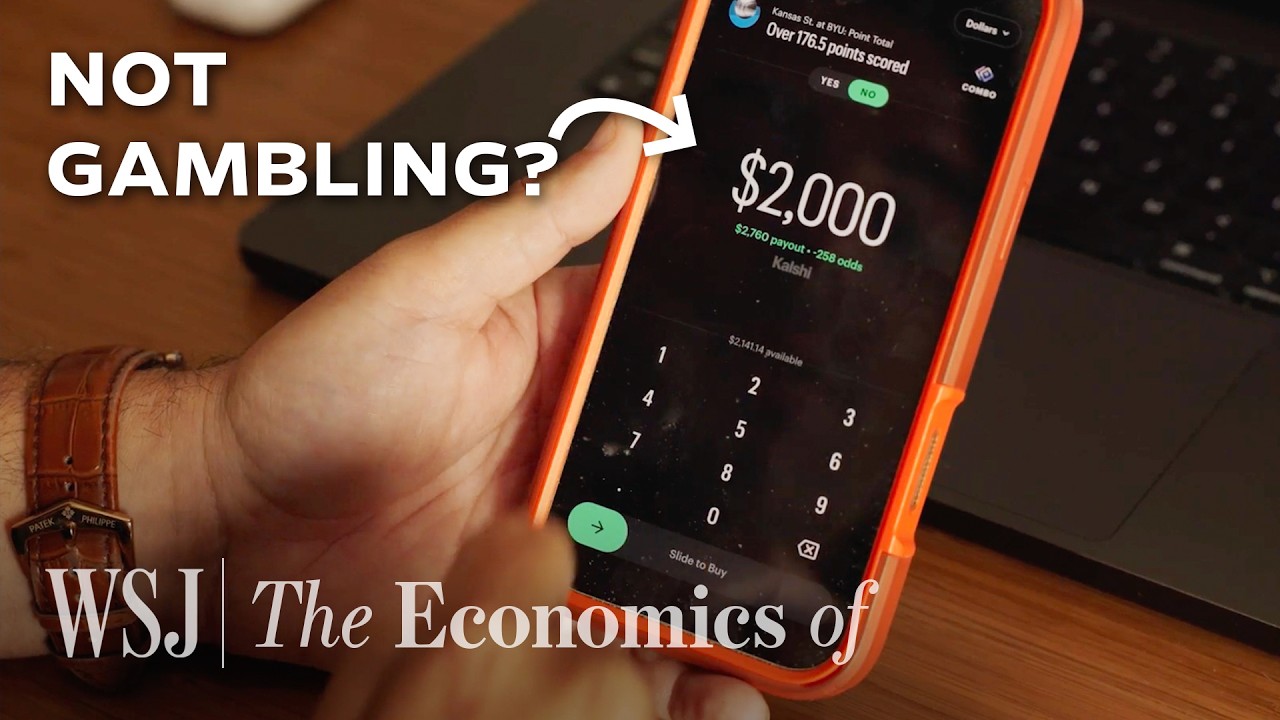
The video titled “How Are Kalshi and Polymarket Worth Billions Without a Gambling License?” delves into the rapid rise of these markets, regulated by the Commodity Futures Trading Commission (CFTC). The introduction of Kalshi and Polymarket has opened the doors to trading on events ranging from election outcomes to sporting events, creating a sophisticated platform for speculation.
At a cursory glance, the framework seems straightforward. Traders place bets—essentially contracts—on various events, allowing them to leverage their insights or hunches to predict outcomes. The excitement lies in the algorithmic trading and the real-time data that provide indicators of public sentiment. But the mechanics behind these platforms reveal deeper questions about their classification and legality.
The Mechanics of Prediction Markets
The video breaks down how these platforms operate. Traders engage in buying or selling contracts based on their expectations of an event outcome. Many see these contracts as a form of investment rather than gambling, focusing on data and indicators to inform their decisions.
The appeal of prediction markets is underscored by their potential for return on investment. Kalshi and Polymarket have crafted unique business models that allow them to make money while adhering to regulatory guidelines. The insights derived from these markets offer predictive capabilities that stakeholders from various sectors—be it politics, finance, or even entertainment—find invaluable.
The Regulatory Landscape
However, this innovative model is not without its challenges. As outlined in the video, a key focus is the ongoing regulatory battle with state authorities and Congress. Many officials contend that the nature of these contracts resembles traditional gambling, clashing with the idea that prediction markets can operate outside the bounds of stringent gambling laws without a license.
The video highlights how this regulatory fight could shape the future of the entire industry, with states vying for jurisdiction and power over the burgeoning markets. If left unregulated, critics argue that it could potentially lead to unscrupulous practices and unquantified risks. Yet proponents insist that with proper oversight, prediction markets could function as a legitimate avenue for information and investment.
Insider Trading Concerns
The issue of insider trading adds another layer of complexity to the discussion. As the video reveals, the potential for individuals to act on non-public information remains a pertinent concern. This has propelled a dialogue on ethics and transparency—topics that weigh heavily in the balance of legitimizing these markets.
What Lies Ahead
As the video concludes, the outlook for prediction markets is both promising and precarious. While they carve out a unique niche within the financial landscape, their future heavily depends on ongoing regulatory developments. Whether these markets will continue to thrive without explicit gambling licenses remains to be seen.
In a rapidly evolving digital economy, Kalshi and Polymarket illustrate how innovation often runs headlong into the confines of legislation. As regulators and stakeholders grapple with these issues, the broader implications for the understanding of market dynamics and investment strategies are profound. The outcome of this legal battle could very well define the next chapter for prediction markets in the United States and beyond.
Watch the video by The Wall Street Journal
Video “How Are Kalshi and Polymarket Worth Billions Without a Gambling License? | WSJ The Economics Of” was uploaded on 05/30/2026 to Youtube Channel The Wall Street Journal