
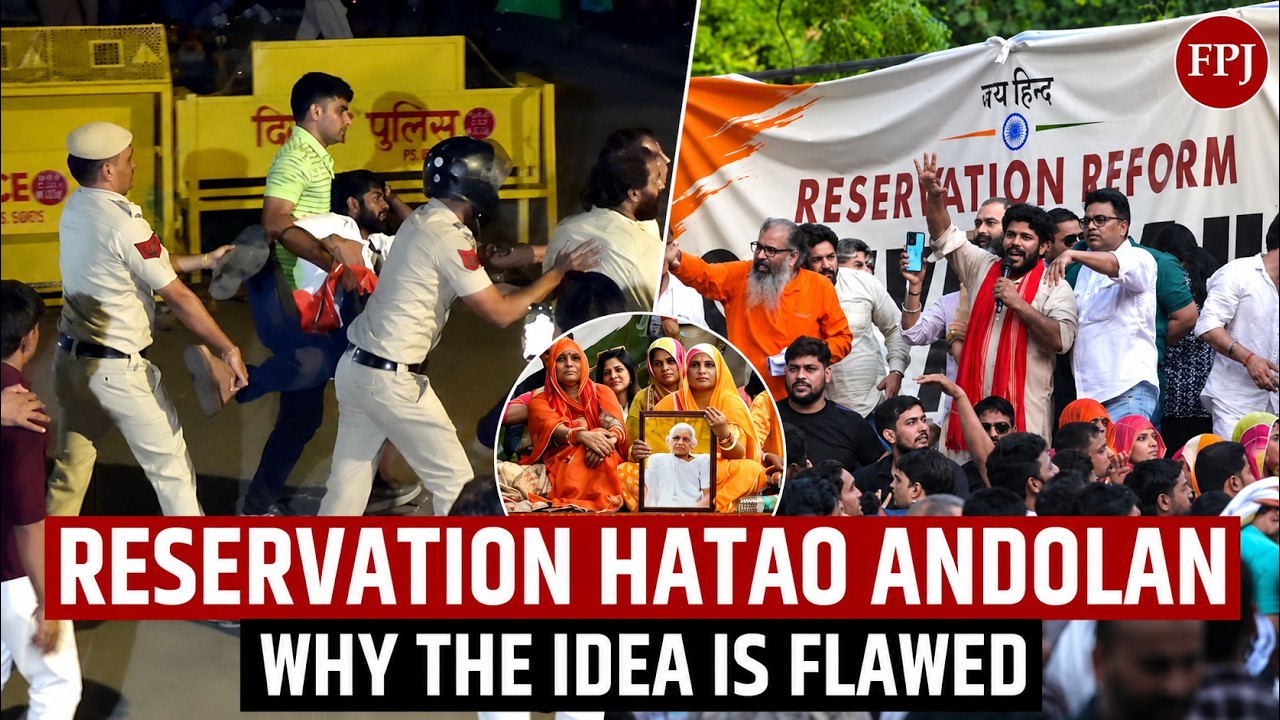

Reservation Hatao Andolan Explained: Unpacking the Protest Against Caste-Based Quotas
In a striking display of dissent, over 50 protesters were detained at Delhi’s iconic Jantar Mantar as part of the recently ignited Reservation Hatao Andolan. This movement, emerging from a broader national conversation about social equity, advocates for a re-evaluation of the existing caste-based reservation system. It seeks to replace quotas based on caste with those grounded in economic status, sparking significant debate across India.
The demonstrators argue that the current reservation framework has become outdated. They propose several key changes, including the introduction of a “creamy layer” provision, aimed at ensuring that economic factors take precedence over caste. Additionally, they are calling for the rollback of the University Grants Commission (UGC) roster system, which they believe perpetuates an inequitable distribution of educational opportunities, and restrictions on individuals receiving repeated benefits from reservation policies.
Supporters of the movement contend that economic circumstances should be the primary criteria for reservation, as poverty transcends caste lines. They argue that this transition would make the reservation system fairer and more relevant to today’s socio-economic landscape. By focusing on economic status, they believe it is possible to address the needs of the truly disadvantaged while eliminating the perceived misuse of caste-based quotas by those already benefiting from socio-economic advantages.
On the other hand, critics of the Reservation Hatao Andolan maintain that caste-based reservations are crucial for addressing historical injustices and social exclusion. They argue that reservations are not merely about economic upliftment but are also aimed at ensuring representation and inclusion for marginalized communities that have faced systemic discrimination for centuries. The perspective underscores the complexity of the issue, raising questions about equity, historical context, and the social fabric of the nation.
The protests at Jantar Mantar signify not only a demand for policy change but also a broader engagement with the question of identity and justice in contemporary India. As discussions evolve and public sentiment shifts, the Reservation Hatao Andolan encapsulates the struggle for a balanced approach to social justice that resonates with both historical grievances and modern realities.
As this movement gains momentum, India stands at a crossroads regarding its reservation policies—keen to address the voices of all citizens while navigating the intricate web of caste, class, and economic disparity.
Watch the video by The Free Press Journal
Video “Reservation Hatao Andolan Explained: Why Do Protesters Want Caste-Based Quotas Scrapped?” was uploaded on 08/22/2026 to Youtube Channel The Free Press Journal