
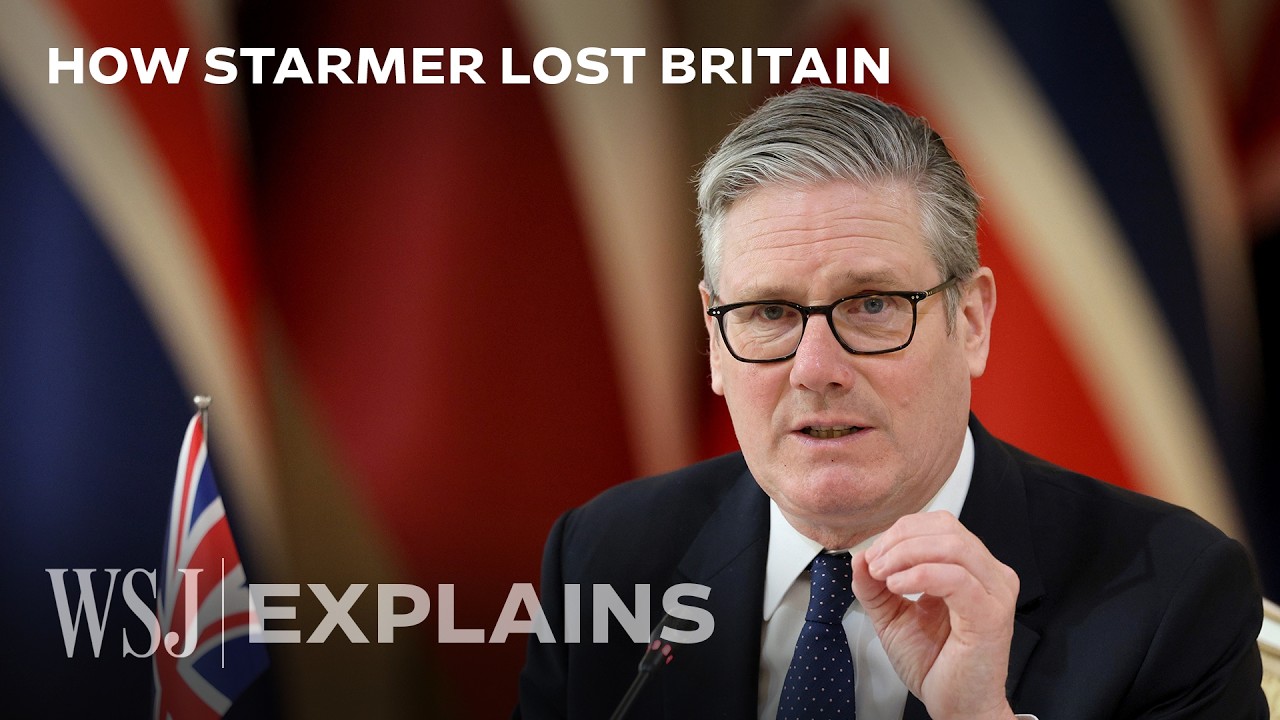

Why the U.K. Can’t Keep a Prime Minister: The Downfall of Keir Starmer
The political landscape of the United Kingdom is once again in turmoil, with the recent resignation of Prime Minister Keir Starmer marking the onset of the country’s sixth leader in just seven years. Starmer’s decision to step down follows a challenging period characterized by rising discontent among the electorate and growing dissent within his own party, raising questions about the stability of leadership in Britain.
A Promising Start Turned Rocky
Elected with significant hopes for change, Starmer—a former human rights lawyer—managed to revive the Labour Party after a prolonged absence from power. However, his journey was fraught with missteps that ultimately undermined his leadership. The WSJ video delves into the critical errors that plagued his tenure, illustrating how a promising beginning rapidly devolved into a crisis of confidence both among lawmakers and the wider public.
Policy Shifts and Their Backlash
One of the focal points of Starmer’s premiership was his series of policy U-turns, which left many feeling disillusioned. The video highlights how these shifts were perceived as a lack of direction and decisiveness, alienating voters who were looking for steadfast solutions to pressing issues. The expected reforms that many hoped would revitalize the nation instead led to growing anxiety and frustration regarding the government’s commitment to its manifesto promises.
Strained International Relations
Starmer’s relationship with international figures, notably former U.S. President Donald Trump, also drew scrutiny. The WSJ analysis illustrates how these relationships impacted public perception of Starmer’s foreign policy acumen and, by extension, his overall leadership credibility. As tensions rise globally, the expectations for a leader adept in foreign affairs become paramount, and any perceived misalignment can diminish domestic support.
The Dilemma of Local Elections
Starmer faced additional pressure from disappointing results in local elections, which served as a litmus test for his governance. The video breaks down how these electoral outcomes reflected a broader dissatisfaction with his leadership style and political strategy. The local elections acted as a barometer for public sentiment, signaling that the Labour Party was losing ground in key constituencies.
Looking Ahead: What’s Next for the U.K.
As the U.K. enters this new chapter, the WSJ video contemplates the potential candidates for leadership and the challenges they will face. The departure of Starmer has opened a Pandora’s box of possibilities but also uncertainties. The British public is left wondering who will emerge as the next prime minister and what policies they will advocate in an increasingly polarized political environment.
In an era where turnover at the top is becoming the norm rather than the exception, the U.K. is grappling with significant questions about stability, governance, and the future of its political institutions. The WSJ’s breakdown of Starmer’s downfall not only provides insights into these challenges but also sets the stage for future developments in the ever-evolving narrative of British politics.
Watch the video by The Wall Street Journal
Video “Why the U.K. Can’t Keep a Prime Minister | WSJ” was uploaded on 06/22/2026 to Youtube Channel The Wall Street Journal