
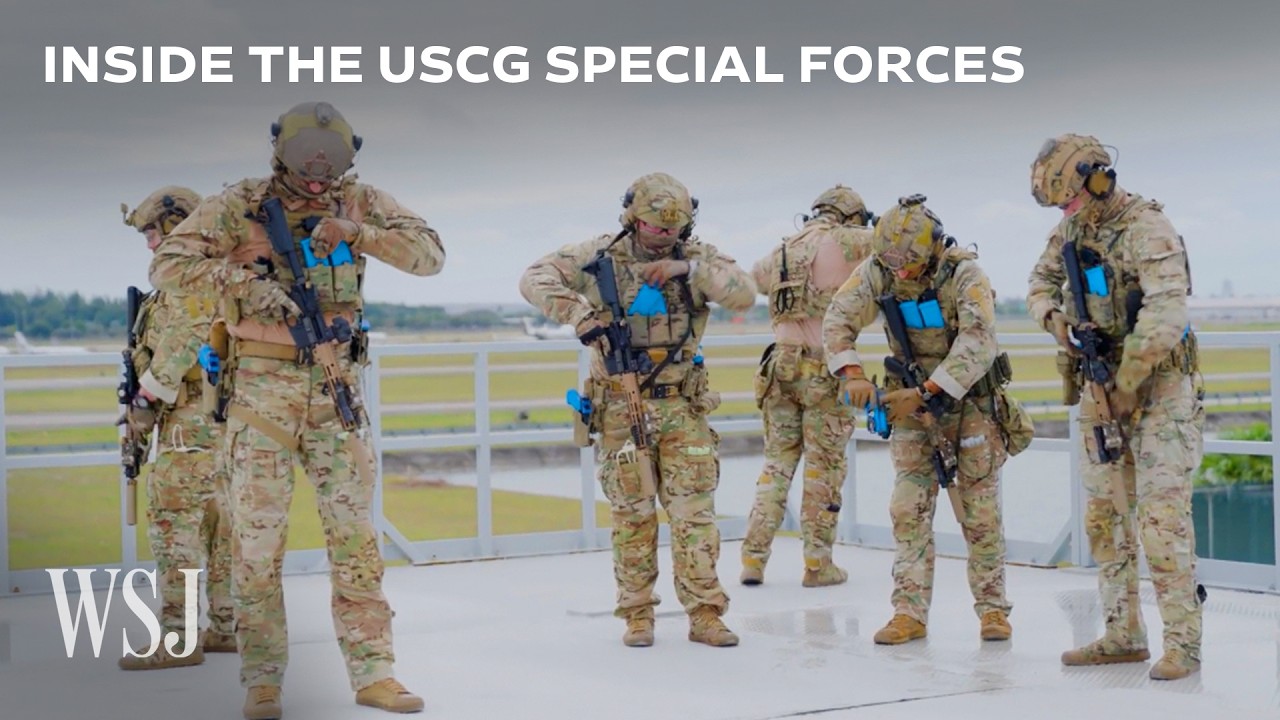

Why Trump Is Relying on Coast Guard Special Forces for Key Missions
In an era defined by evolving national security challenges, the U.S. Coast Guard is stepping into the limelight more than ever, particularly through the deployment of its elite special forces. A recent report by The Wall Street Journal highlights the growing reliance of the Trump administration on these specialized units, which has culminated in the establishment of a new command specifically designed for key maritime missions.
The Coast Guard’s special forces are not just an auxiliary service; they have become pivotal in the fight against transnational crime, particularly drug trafficking in the Caribbean and Pacific regions. These units have significantly ramped up operations, resulting in the seizure of numerous oil tankers involved in illegal activities. The high-stakes nature of their work speaks volumes about their training and effectiveness, pushing them to the forefront of America’s maritime security strategy.
Trump’s Strategic Use of Special Forces
President Trump’s administration has increasingly turned to the Coast Guard’s special forces as a strategic asset in national security missions. The decision to bolster this enhanced maritime capability underscores a broader recognition of the Coast Guard’s unique role in securing U.S. interests and combating illicit activities at sea. This involves leveraging their specialized training in high-risk environments where traditional military forces may not be as adaptable.
Law Enforcement Authority and Rigorous Training
One key element that sets these elite teams apart is their dual mandate: They operate not only as military forces but also have law enforcement authority. This aspect allows them to engage directly in drug interdictions and humanitarian missions, effectively straddling the line between military operations and civilian law enforcement. The rigorous training these forces undergo prepares them for a wide array of scenarios—from high-speed interdiction to tactical boarding operations.
The training regimen is intensive, offering participants real-world simulations that prepare them for the unpredictable nature of maritime law enforcement. This preparation is crucial, as these operatives often encounter dangerous and dynamic situations during their operations.
Resource Demands and Future Prospects
However, increasing reliance on special forces comes with its challenges. The demand for resources—both personnel and equipment—is surging as these units take on larger roles in national security initiatives. With heightened responsibilities, the Coast Guard faces pressing inquiries regarding funding, deployment strategy, and personnel management.
These elite teams are positioned to be at the center of future maritime security operations, and as their missions expand, the need for additional support and investment becomes imperative. As the Coast Guard stands on the brink of reorganization and growth, its enhanced capabilities promise to play an essential role in safeguarding U.S. interests in an unpredictable global landscape.
In summary, the Coast Guard’s special forces are becoming indispensable to the Trump administration’s national security strategy. With a mission focused on maritime interdiction and law enforcement, these units encapsulate the growing importance of maritime operations in responding to a myriad of modern threats. The WSJ’s coverage sheds light on a critical facet of national security that may redefine how America addresses challenges at sea.
Watch the video by The Wall Street Journal
Video “Why Trump Is Relying on Coast Guard Special Forces for Key Missions | WSJ” was uploaded on 02/03/2026 to Youtube Channel The Wall Street Journal