
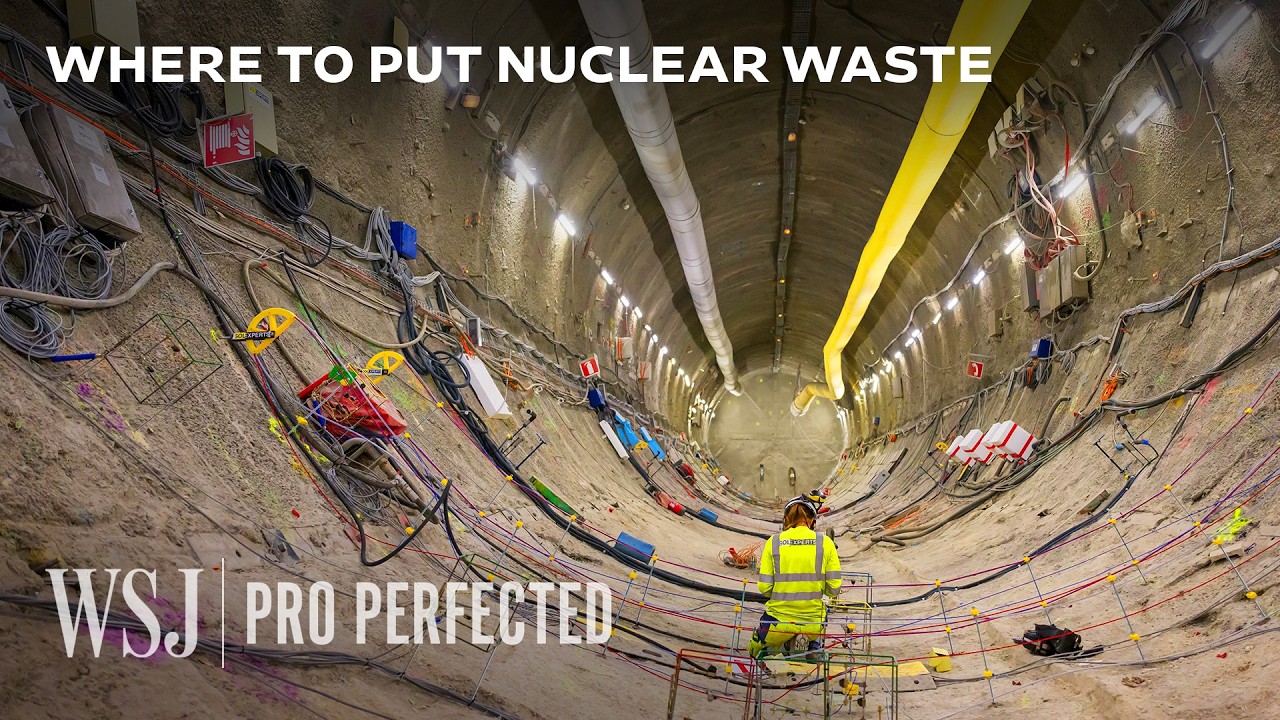

The U.S. Has 100K Tons of Nuclear Waste: Why Is There Still No Plan?
In a stark testament to a pressing problem that has lingered for decades, the United States holds more than 100,000 tons of commercial nuclear waste—more than any other nation. Despite advancements in technology and a long history of nuclear energy production, a comprehensive plan to handle this radioactive material remains elusive. With temporary storage solutions that were never designed to endure, the nation finds itself in a precarious situation.
In the latest report from WSJ, viewers are offered an in-depth look at this issue, featuring insights from Allison Macfarlane, the former Chairman of the Nuclear Regulatory Commission. Macfarlane sheds light on the complexities of nuclear waste management, delving into why the U.S. has not made significant progress in creating a permanent repository.
The U.S.’s Nuclear Waste Problem
At the heart of the matter is the sheer volume of nuclear waste generated since the rise of the commercial nuclear power industry. With no permanent solution in sight, the country has relied heavily on temporary measures, which pose risks and uncertainties for future generations.
Identifying the Waste
Understanding the different types of nuclear waste is critical in addressing the issue. The video categorizes the waste into high-level, low-level, and transuranic waste, each requiring distinct management strategies. Effective identification is the first step toward developing a viable long-term solution.
Possible Solutions
The discussion inevitably leads to exploring various options for storing nuclear waste. Countries like Finland have set benchmarks with their effective waste management systems, primarily through the establishment of deep geological repositories. This raises the question: could the U.S. adopt similar strategies?
The U.S.’s Failure So Far
The video outlines the missteps and oversights that have characterized U.S. nuclear waste management efforts. Following the 2008 collapse of the Yucca Mountain project, the country has been left without a designated home for its nuclear waste, emphasizing a lack of political will and public consensus regarding nuclear energy practices and waste disposal.
The U.S.’s Path Forward
As Macfarlane articulates, moving forward requires a multi-faceted approach that engages government, industry stakeholders, and local communities. It will take significant investment in technology and infrastructure, as well as fostering public trust and dialogue surrounding nuclear energy.
In a world increasingly focused on sustainable energy solutions, the handling of nuclear waste remains a critical component of the conversation. The video, part of WSJ’s Pro Perfected series, highlights not just the challenges but also the pathway to potentially revolutionary solutions that could change the future of nuclear energy in America.
As the U.S. continues to navigate its nuclear waste dilemma, the urgency for action becomes ever more pressing. The country stands at a crossroads: will it take decisive steps toward managing its nuclear legacy, or will it remain mired in temporary fixes? The stakes are high, and so is the need for a sustainable solution.
Watch the video by The Wall Street Journal
Video “The U.S. Has 100K Tons of Nuclear Waste. Why Is There Still No Plan? | WSJ Pro Perfected” was uploaded on 06/24/2026 to Youtube Channel The Wall Street Journal