

Last night, my husband and I watched Australia’s inaugural Michelin ceremony, live-streamed from Adelaide Convention Centre, with the anticipation usually reserved for a favourite series finale.
He is a Michelin-trained private chef. I spent over two decades in hospitality, managing restaurants and working in fine dining across Europe and Australia.
But I watched him almost as much as the screen. He recognised friends and peers being called to the stage, and his pride and emotion were clear as they received a distinction Australian restaurants had never previously had the opportunity to earn.
First published in France in August 1900 by tire manufacturers André and Édouard Michelin, the Michelin Guide now covers cities and regions in more than 25 countries and is one of the best-known culinary awards globally. Its first foray into Australia is the result of a deal with the South Australian tourism board.
Michelin
In total, 77 South Australian restaurants received Michelin recognition at Wednesday night’s ceremony, with 10 earning one star, and Magill Estate Restaurant the only restaurant receiving two. The Bib Gourmand for high-quality food at an affordable price point went to 16 restaurants, and a further 50 were awarded “Michelin Selected” recognition.
The emotion on stage at the ceremony spoke to years of dedication and sacrifice, and what recognition can mean for a restaurant, a career and a destination.
Beyond the stars, what does this selection tell us about South Australia’s food culture and the people who sustain it?
Read more:
The Michelin Guide is coming to South Australia. The rest of the country will be watching
Rooted in place
Perhaps the strongest message emerging from Michelin’s selection is how deeply South Australian culinary excellence is connected to place.
Six of the 11 starred restaurants are located outside Adelaide, across the Adelaide Hills, Barossa, McLaren Vale and Clare Valley.
Contemporary Australian cuisine dominates the starred selection. At Aurora and LVN at Bird in Hand, open-fire cooking showcases the character of local ingredients, while Esmay, Aptos, and Botanic offer inventive, highly individual interpretations of seasonal produce and native ingredients.
Michelin international director Gwendal Poullennec praised the “unmistakable sense of place” running through South Australian cooking.
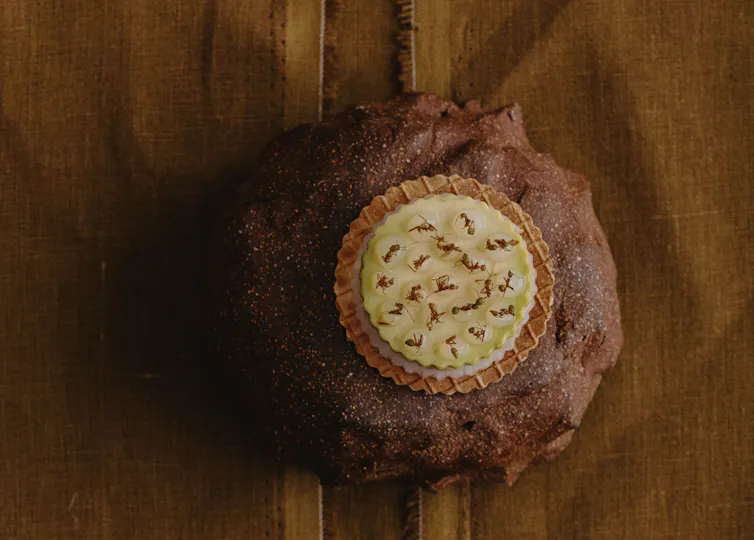
Botanic
Multiculturalism is part of the place
Poullennec also described SA food culture as “unburdened by rigid tradition”, with kitchens telling stories extending far beyond South Australian borders.
Multiculturalism is woven through the starred restaurants offerings, from the ingredients and techniques to the people responsible for preparing and serving the food.
At arkhé, Jake Kellie’s Peking duck wontons bring Chinese culinary influences together with South Australian abalone. At Maxwell Restaurant in McLaren Vale, German-born chef Fabian Lehmann draws on his international experience, incorporating Japanese chawanmushi and Central European spätzle into a tasting menu shaped by the region’s seasons and produce.
Across the Bib Gourmand and Selected Michelin categories, this diversity becomes more explicit. Afghan, Vietnamese, Mexican, Thai, Italian, Korean and other culinary traditions are represented, including much-loved neighbourhood establishments such as Parwana Afghan Kitchen and Africola.
In many of these restaurants, food tells stories of migration, adaptation, entrepreneurship, family traditions and encounters between different ways of living and eating.
At a time when our political debates increasingly frame immigration as a problem, the Michelin acclaim is a welcome celebration of the contributions that generations of migrants have made and continue to make.
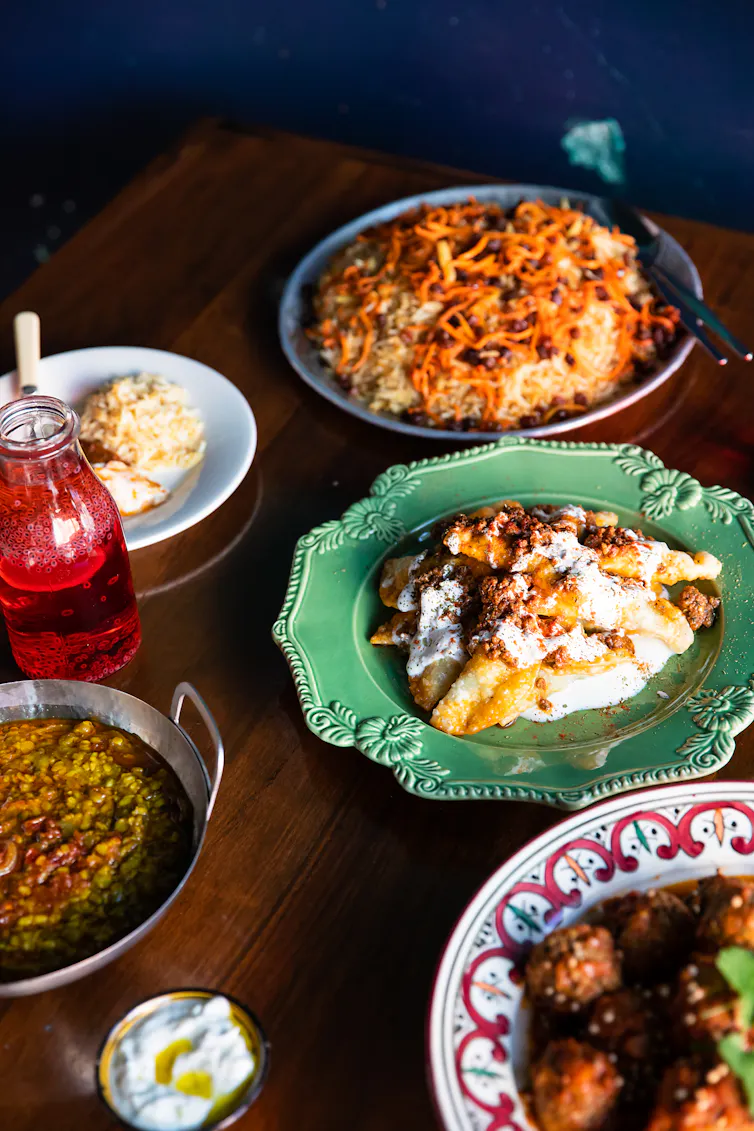
Josie Withers/Parwana
A warm welcome takes hard work
At the core of the Michelin selection is an appreciation for South Australian dining’s warmth, informality and generosity. These are qualities South Australians take pride in.
Michelin’s five criteria for stars focus exclusively on cooking, excluding service and atmosphere. Yet this sense of hospitableness ran through the ceremony, from descriptions of the food to special awards.
From Michelin-selected restaurants, the Service Award recognised Melissa Pisanelli’s genuine care for guests at Allegra Dining Room, which she runs with her husband. The Sommelier Award recognised Maxime Martin’s generous, unpretentious approach to sharing wine at Hardy’s Verandah.
Hospitality is, at its heart, a human business. The food, the welcome and the connections around a table depend on people’s skills, care and effort. Creating the warmth and ease guests enjoy can involve long, unforgiving hours, grit and determination.
That made Premier Peter Malinauskas’s tribute to hospitality professionals particularly poignant. He acknowledged the gruelling work, dedication, risks and dignity of a profession whose efforts are too often taken for granted.
As Michelin brings greater attention and expectations to South Australian restaurants, that recognition needs to extend beyond the ceremony. The generosity we value at the table should inform how we value hospitality workers: in public debate, their working conditions, and respect for their skills.
After the applause
Michelin’s inspectors have captured much of what I most admire about South Australia’s food culture: its relationship with place, its openness to different traditions and the warmth of its hospitality.
I hope this recognition brings visitors and lasting opportunities for the extraordinary talent working here. But its significance also lies in what it encourages us to recognise ourselves: the places and growers, cultural communities and hospitality workers whose knowledge and care give this food culture its character.
The stars are awarded to restaurants. What makes this selection recognisably South Australian is the network of people and relationships behind them. They deserve our pride, our respect and our support long after the applause.
The post “Michelin came for the food. It found what makes South Australia special” by Anita Manfreda, Associate Professor, Blue Mountains International Hotel Management School, Torrens University Australia was published on 10/15/2026 by theconversation.com