
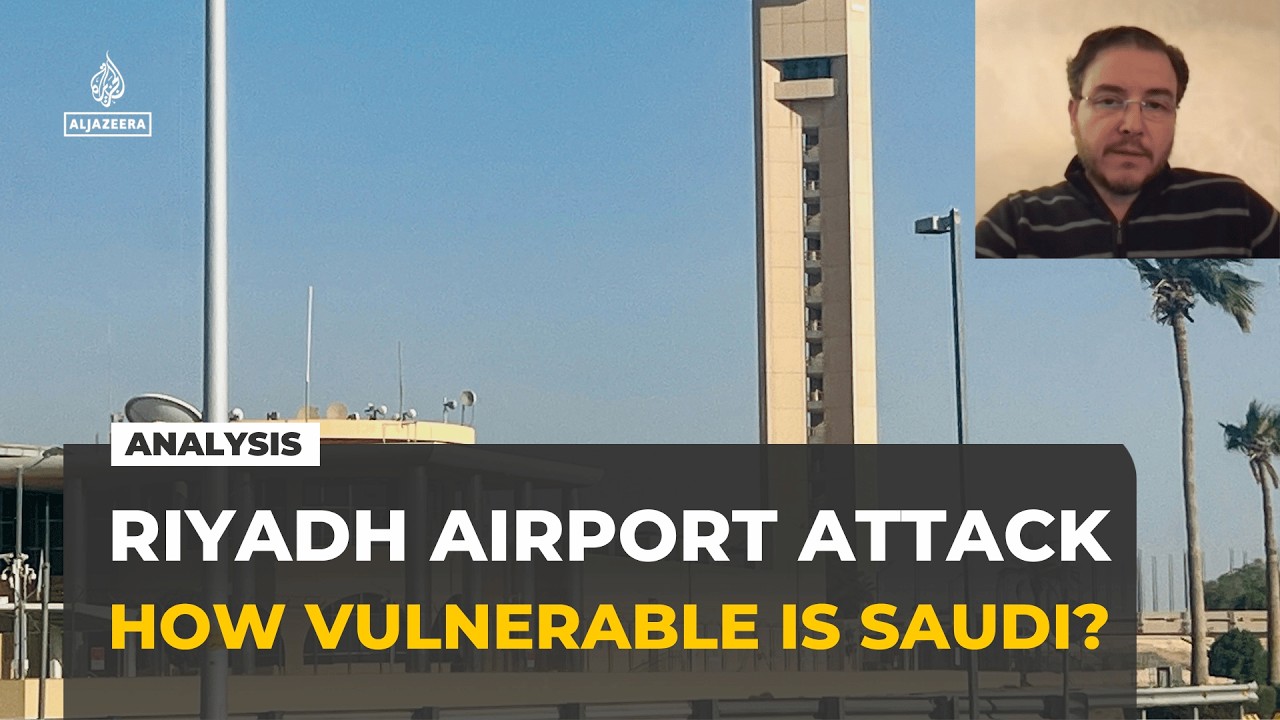

Riyadh Airport Attack: A Strategic Retaliation by the Houthis?
In a devastating turn of events, Saudi Arabia’s Civil Aviation Authority has confirmed that a missile attack on King Khalid International Airport in Riyadh resulted in the tragic loss of 12 lives, including four Saudi citizens, and left 309 others injured, some critically. As the nation grapples with this attack, Saudi authorities have put the blame squarely on the Houthis, the armed group known as Ansar Allah, denouncing the strike as a war crime. While the Houthis have yet to claim responsibility, experts suggest that this escalation was anticipated given the recent increase in Saudi airstrikes in Yemen.
Nawaf Obaid, a senior research fellow at King’s College London and noted security and intelligence analyst, indicated that the aerial assault was anticipated following a series of Saudi military actions in the region. Speaking from London, Obaid stated, “After ten days or two weeks of Saudi air strikes, the Houthis were likely to retaliate.” Initial assessments suggest that a ballistic missile was the weapon used in the attack, underscoring the ongoing threat that such groups pose to Saudi infrastructure.
One pressing question arises in the aftermath of the attack: Why wasn’t the airport more effectively defended? Obaid explains that the vulnerabilities faced by a country of Saudi Arabia’s size and strategic importance are significant. “Even a multi-layered air defense system can be penetrated by a single missile,” he noted, suggesting that the complexity of modern warfare presents challenges for even the most prepared nations. Responding to the ongoing threat, Saudi Arabia has reportedly sought additional air defense batteries from its allies, a clear indication of the growing urgency to bolster national defense.
The immediate implications of the attack extend beyond Riyadh’s borders, with the Saudi-led coalition confirming that a projectile also fell near another airport in the Eastern Province. This development has prompted warnings from the US, Canada, and the UK, advising their citizens to avoid the area. The geopolitical ramifications are significant; US President Donald Trump has indicated that he is reviewing the situation to determine if American military support for Saudi strikes is warranted.
As the situation continues to unfold, the repercussions of the Riyadh airport attack serve as a stark reminder of the volatile landscape in the Middle East, where entrenched conflicts witness increasingly complex retaliatory measures. Analysts like Obaid emphasize the cyclical nature of these hostilities, suggesting that as long as airstrikes continue, similar retaliatory actions from groups like the Houthis are likely to persist.
With the prospect of further escalations looming, both regional stability and international relations remain perilously at stake, as the world watches closely for developments in this turbulent chapter of Middle Eastern history.
Watch the video by Al Jazeera English
Video “Riyadh airport attack was expected as the Houthis’ way to retaliate: Analysis” was uploaded on 10/11/2026 to Youtube Channel Al Jazeera English