

In the quest for culinary excellence, the origins of ingredients used in Michelin-starred restaurants often hold as much allure as the dishes themselves. In the latest video from Business Insider, titled “Where Michelin-Starred Restaurants Get 14 Ingredients,” viewers are invited on a global journey to uncover the rare and remarkable sources behind some of the finest culinary staples.
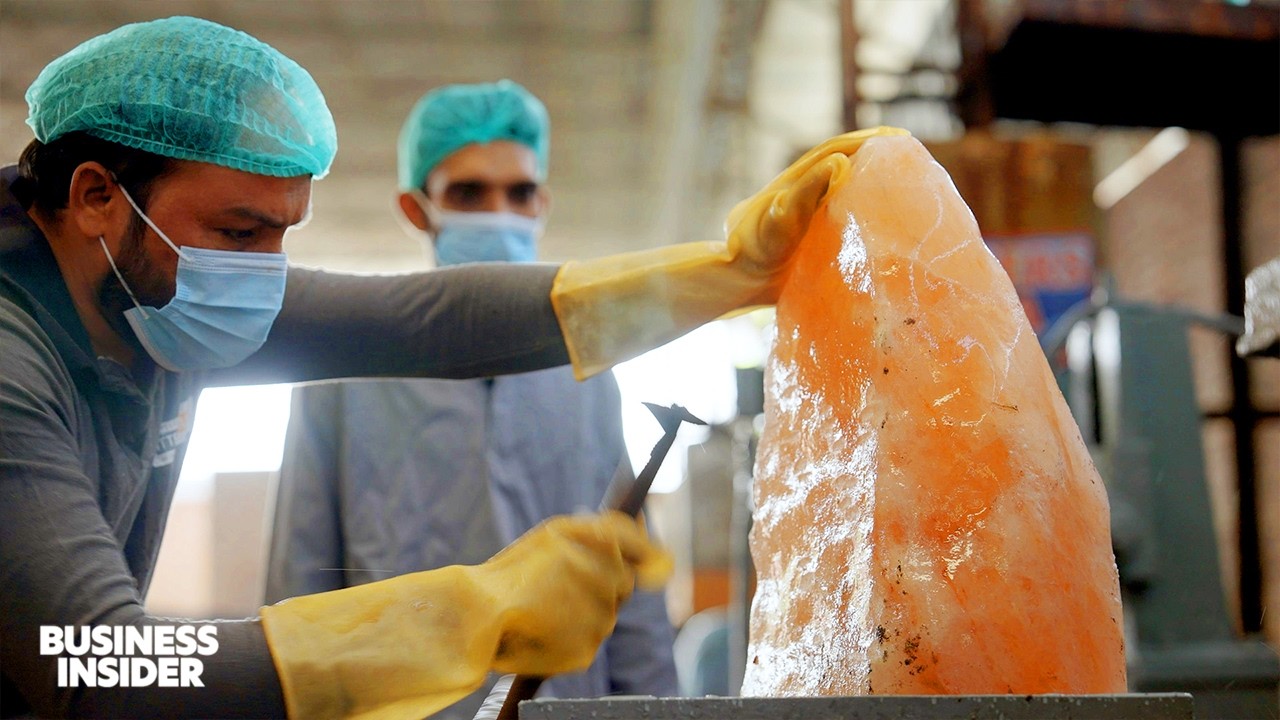
The video opens with an intriguing introduction about the importance of quality ingredients in haute cuisine. From the bustling ports of Louisiana, where shrimp are harvested amidst a thriving seafood culture, to the depths of salt mines in Pakistan, the narrative sets the stage for an exploration beyond typical supply chains. Each featured ingredient has its story, reflecting both tradition and a commitment to quality that Michelin-starred chefs demand.
One highlight occurs in the segment dedicated to soy sauce, a staple in many dishes, where the video delves into artisanal methods that have been perfected over generations. The dedication to crafting this essential condiment reveals the meticulous process that exacerbates its flavors — an aspect often overlooked by the average consumer.
As the narrative shifts to Louisiana shrimp, viewers learn about the unique environmental conditions that contribute to their distinctive flavor profile. The video showcases the fishermen who dedicate their lives to ensuring a sustainable catch, emphasizing that great cooking begins with responsible sourcing of ingredients.
Moving on to ice, the video highlights the surprising dimensions of this seemingly mundane element. Specially harvested ice, which is used in upscale restaurants, plays a critical role in preserving the quality of seafood and other perishables, amplifying the importance of every detail in high-end dining.
Additionally, viewers are treated to segments featuring Greek feta, Maine lobster, and Himalayan salt — each ingredient revealing the undersung narrative of provenance and craftsmanship. For instance, the video details the traditional cheese-making techniques that yield authentic feta, while Maine lobster’s journey showcases sustainability practices that balance oceanic ecosystems with culinary demand.
As the exploration continues, ingredients such as oxtail and matcha are featured, shedding light on the diverse culinary landscapes from which Michelin-starred chefs draw inspiration. The video elegantly contrasts the rich flavors of oxtail with the energy-boosting properties of matcha, showcasing the versatility and breadth of high-quality ingredients.
The journey also highlights rarities like yuzu, a citrus fruit that has gained popularity for its unique flavor, as well as Kanzuri paste, a spicy condiment that packs a punch. Each ingredient is more than just a component; it signifies a connection to place and tradition that resonates deeply within the world of fine dining.
Completing this global tour of elite culinary ingredients, the segments on mangosteen, geoduck, mud crabs, and caviar reveal the lengths to which chefs will go for authenticity and quality. The discussion on caviar, in particular, encapsulates the luxury associated with Michelin-starred dining, demonstrating how the sourcing of such ingredients contributes to the exclusivity and elevated dining experiences these establishments are known for.
In conclusion, the video serves not only as a visual feast but also as an enlightening examination of the philosophies behind ingredient sourcing in Michelin-starred restaurants. Each segment enriches the viewer’s understanding of the culinary arts, illustrating that great dishes come from great care, attention, and respect for the sources of food itself.
Watch the video by Business Insider
Video “Where Michelin-Starred Restaurants Get 14 Ingredients” was uploaded on 10/20/2026 to Youtube Channel Business Insider