
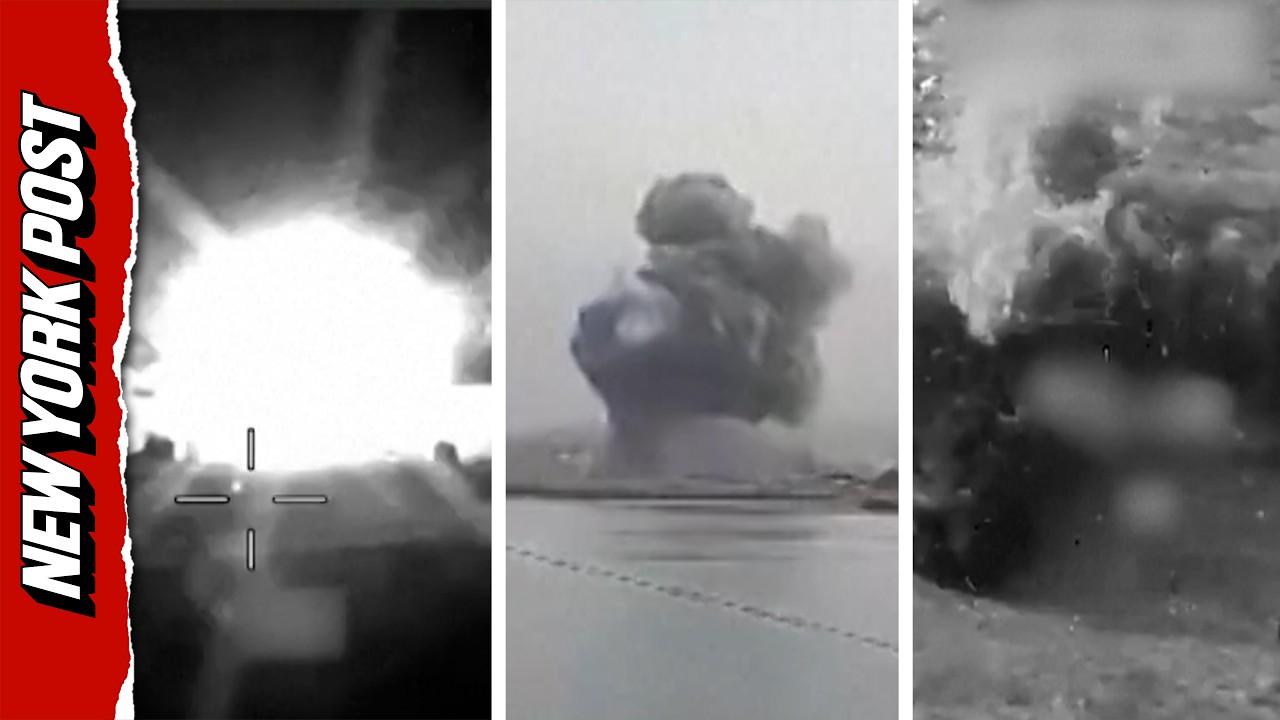

U.S. Military Strikes Ignite Tensions in the Persian Gulf: Iranian Targets Obliterated
On Tuesday, July 14th, U.S. Central Command (CENTCOM) announced a significant escalation in military actions against Iranian positions, marking a fierce new chapter in the long-standing tensions between the two nations. Eyewitness footage from the region, which emerged the following day, revealed the aftermath of these strikes with thick plumes of smoke rising ominously near Iran’s strategic Chabahar port.
The military engagements underscore the increasing volatility of U.S.-Iran relations, which have been strained by a series of confrontations, diplomatic failures, and an ever-evolving geopolitical landscape. The decision to launch additional strikes reflects a decisive shift in U.S. military policy aimed at countering perceived Iranian threats to regional stability.
Chabahar, a vital port city situated in southeastern Iran along the Gulf of Oman, has been pivotal for both trade and military logistics. The recent strikes are seen as a direct response to ongoing provocations attributed to the Iranian government and its allied militant groups. Analysts suggest that striking this particular location could disrupt Iran’s supply lines and hinder its operational capabilities in the region.
Eyewitnesses reported hearing loud explosions and witnessing smoke billowing from the targets, an event that has sent shockwaves through military and political communities worldwide. Images of the aftermath have circulated across social media, captivating global audiences as nations react to this unfolding conflict.
This military operation raises crucial questions about the future of U.S. involvement in the Middle East. The Biden administration’s approach to Iran, which has oscillated between sanctions, diplomacy, and military action, is now being scrutinized as this latest strike signals a more aggressive stance. Military experts indicate that the efficacy of these strikes in altering Iran’s behavior remains uncertain, yet they highlight the risks of escalation, potentially igniting a wider conflict in an already unstable region.
As the situation develops, global leaders are closely monitoring the U.S.’s next moves and Iran’s potential retaliatory responses. The events of July 14th have not only impacted military strategies but have also reignited conversations about the role of diplomatic engagement versus military intervention in U.S. foreign policy.
The Iranian government has yet to issue a detailed response, but previous statements have indicated a strong stance against perceived imperialist aggression. Continued military strikes could lead to increased hostilities, reinforcing the cycle of violence that has characterized the U.S.-Iran relationship for decades.
As the world watches closely, the actions taken in the coming days may determine not only the immediate future of U.S.-Iran dynamics but also set the tone for broader Middle Eastern geopolitics in the months and years to come.
Watch the video by New York Post
Video “US Military Launches Additional Strikes OBLITERATING Iranian Targets” was uploaded on 07/15/2026 to Youtube Channel New York Post