
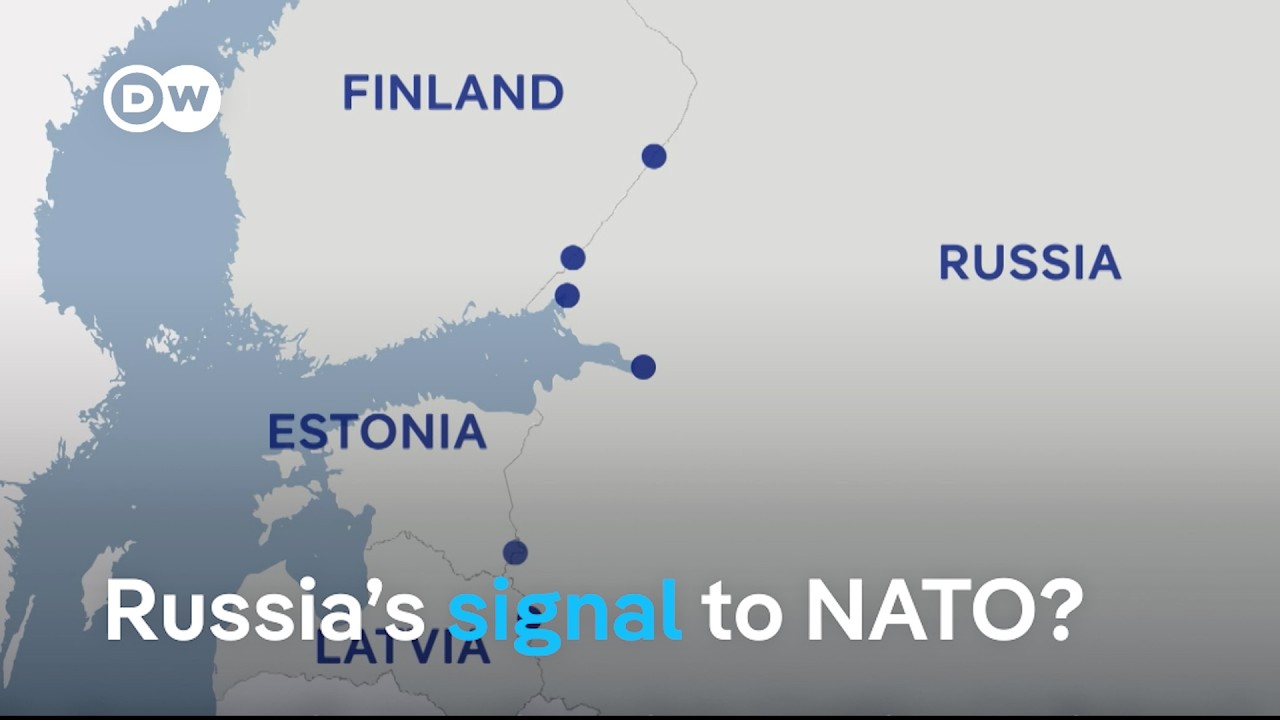

Russia Closes Border Rail Crossings Amid Growing Baltic Tensions
In a move shrouded in ambiguity, Russia has announced the suspension of rail traffic through seven border crossings with Finland, Estonia, and Latvia. This decision has sparked speculation and concern, as it impacts one of the last remaining direct transport connections between Russia and the European Union.
The sudden closures come against a backdrop of escalating tensions in the Baltic region, where apprehensions about Russian military maneuvers near NATO borders have been on the rise. While the Russian government has not publicly elaborated on the reasons behind this decision, the implications could extend far beyond mere logistical considerations.
Transport experts and geopolitical analysts are pondering whether these closures signify a strategic maneuver rather than just a routine transport decision. The move could be interpreted as a clear signal amidst ongoing geopolitical frictions, potentially aimed at exerting pressure on neighboring countries and NATO.
As the situation unfolds, observers will be watching closely for any developments that might elucidate Russia’s intentions. With the Baltic states expressing heightened vigilance due to the perceived threats from the East, the ramifications of this decision are likely to resonate far beyond the rail system, influencing diplomatic relations and security policies across the region.
The full impact of these border closures remains to be seen, but they undoubtedly contribute to the escalating narrative of tension between Russia and its Western neighbors. As both sides grapple with the shifting dynamics, the question lingers: Is this simply a transport decision, or is it indicative of a more significant geopolitical strategy at play?
Watch the video by DW News
Video “Russia closes border rail crossings amid Baltic tensions | DW News” was uploaded on 07/02/2026 to Youtube Channel DW News